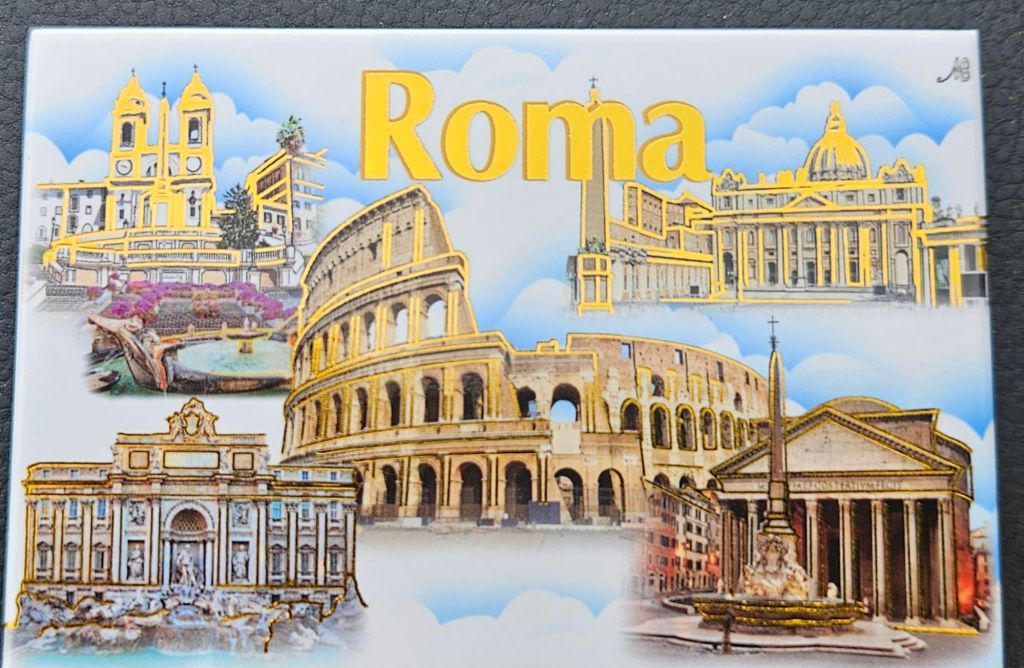
Rome is packed full of history and it was surreal to be able to see in person so many things we read about when studying ancient history.
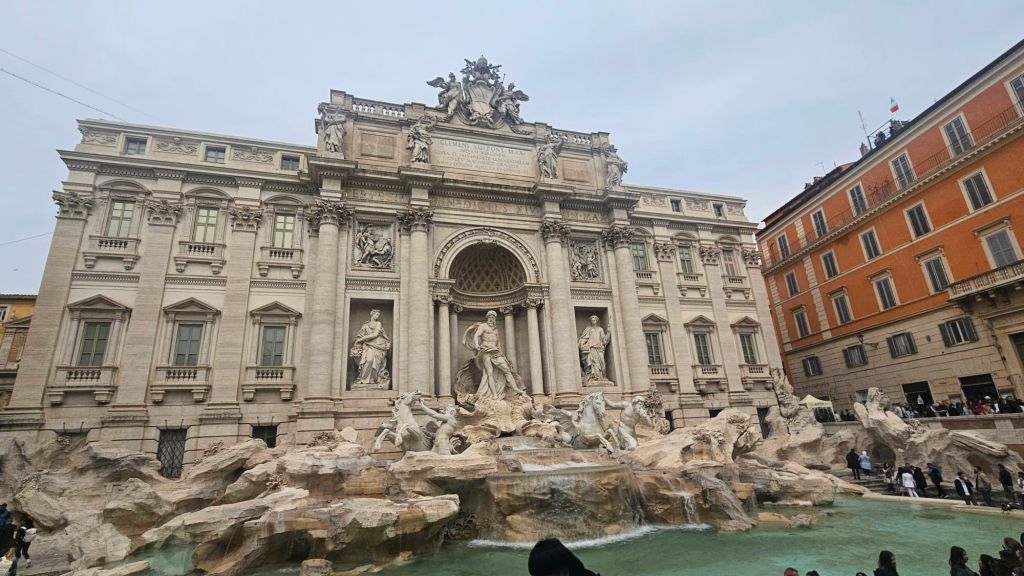
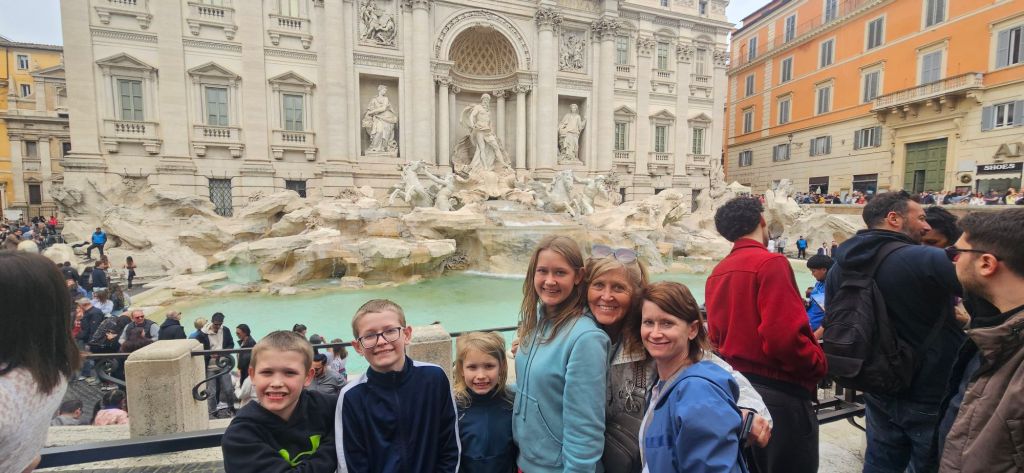
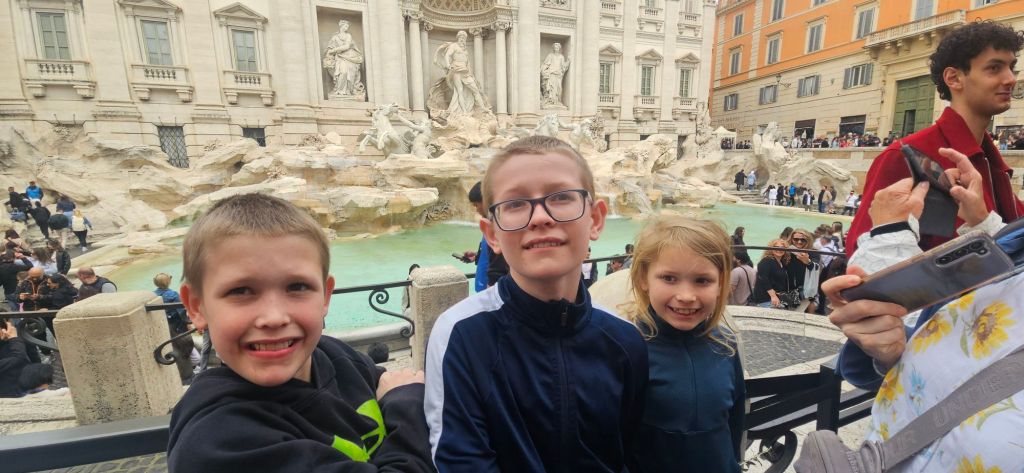
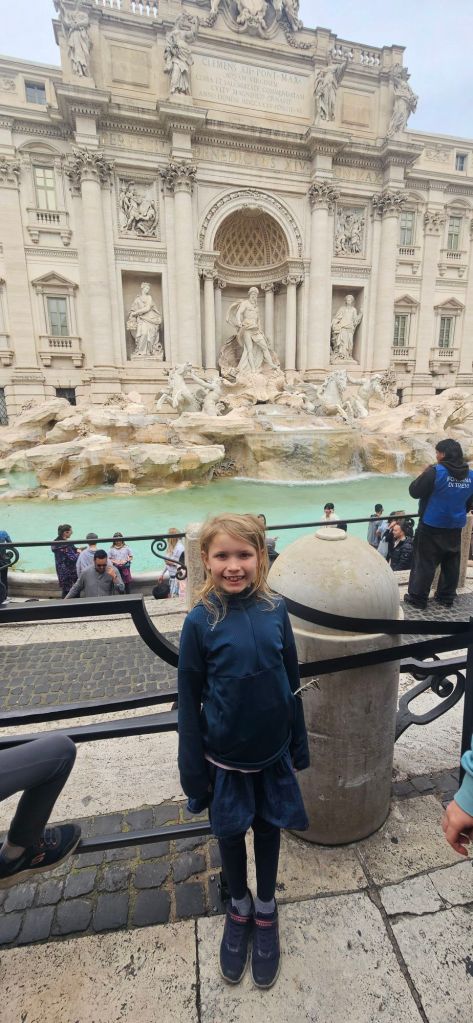
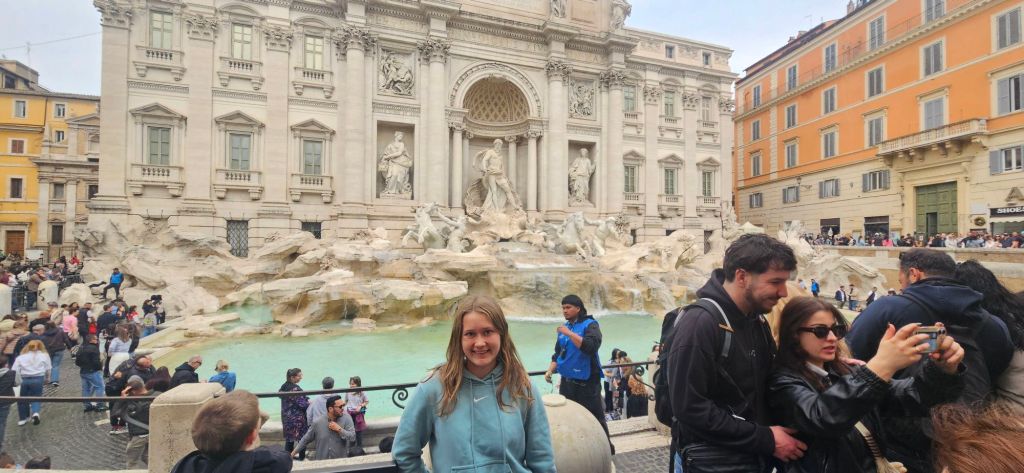
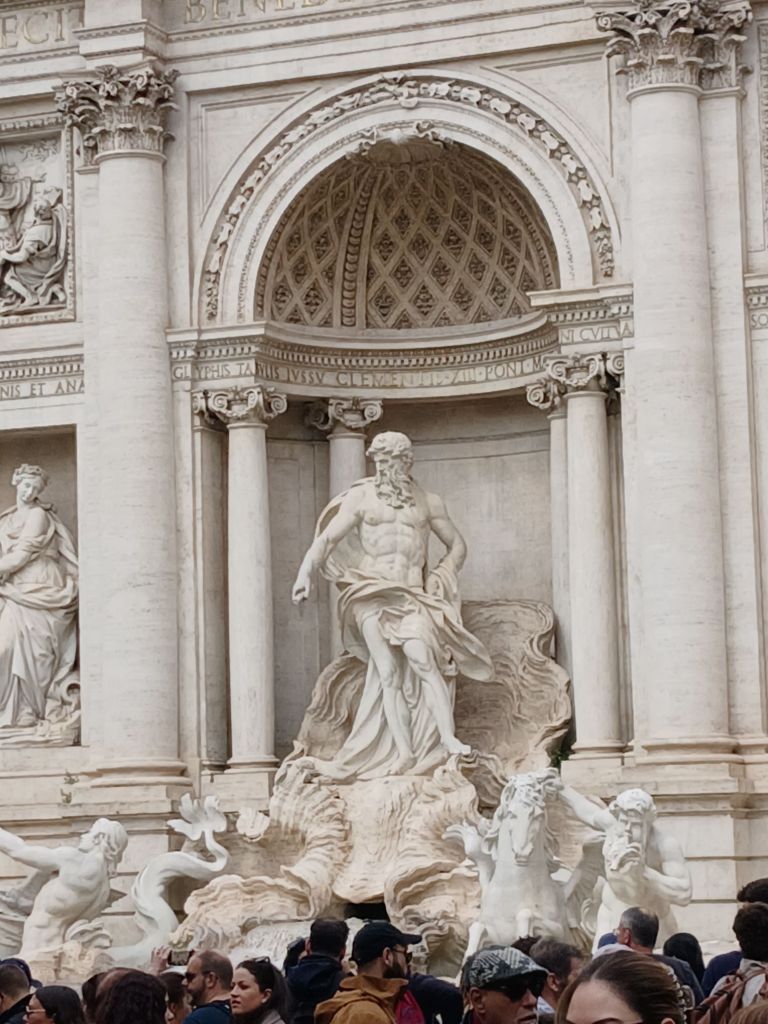
First we visited the Trevi Fountain. Fountains became popular in Rome to mark aqueducts that supplied water to the city. The Trevi fountain was completed in 1762, but the aqueduct, Aqua Virgo, has serviced Rome since 19 BC. In the center of the fountain is Oceanus (Neptune), the god of the sea.
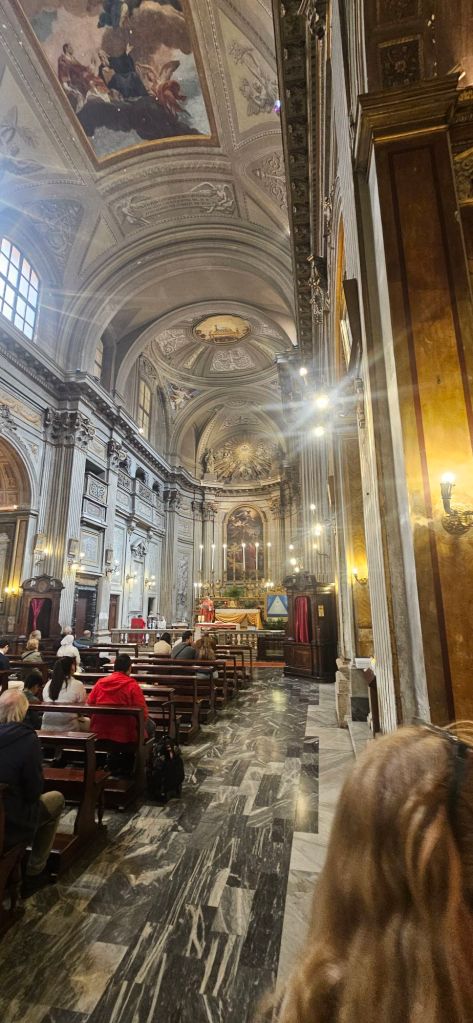
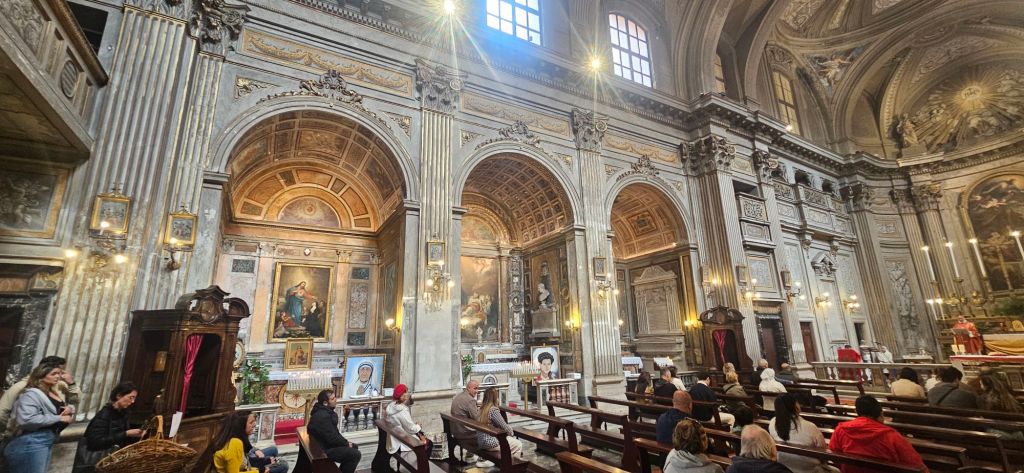
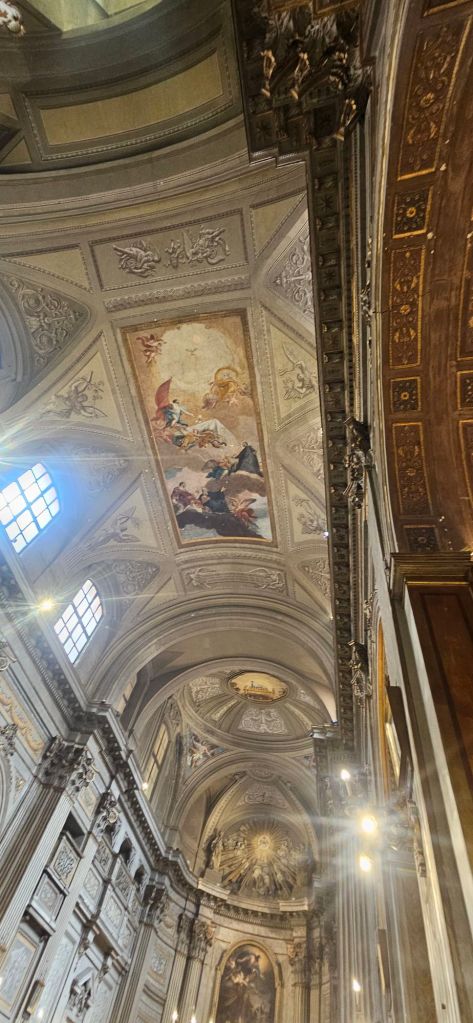
We visited Santi Vincenzo e Anastasio a Trevi built from 1646-1650.
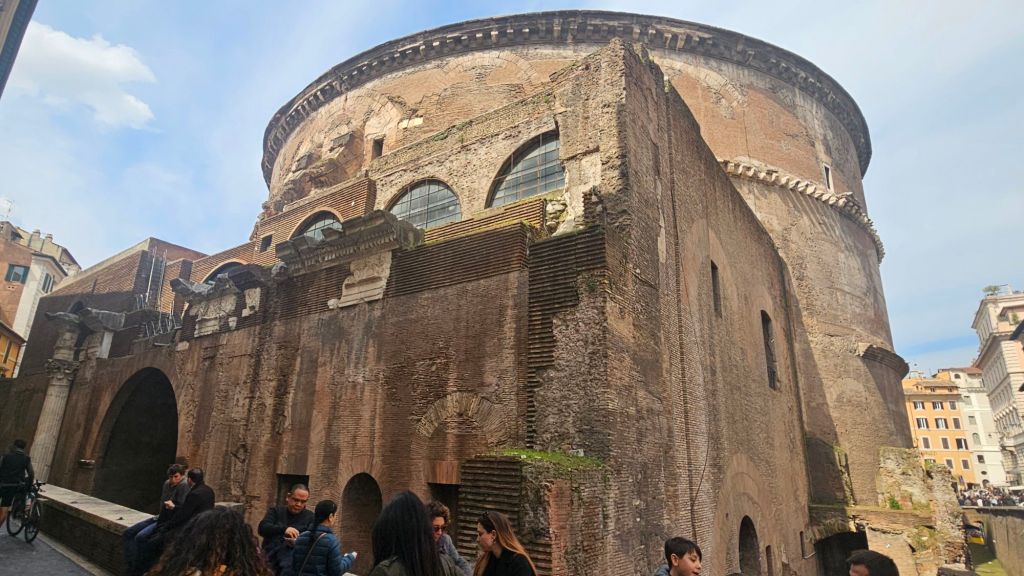
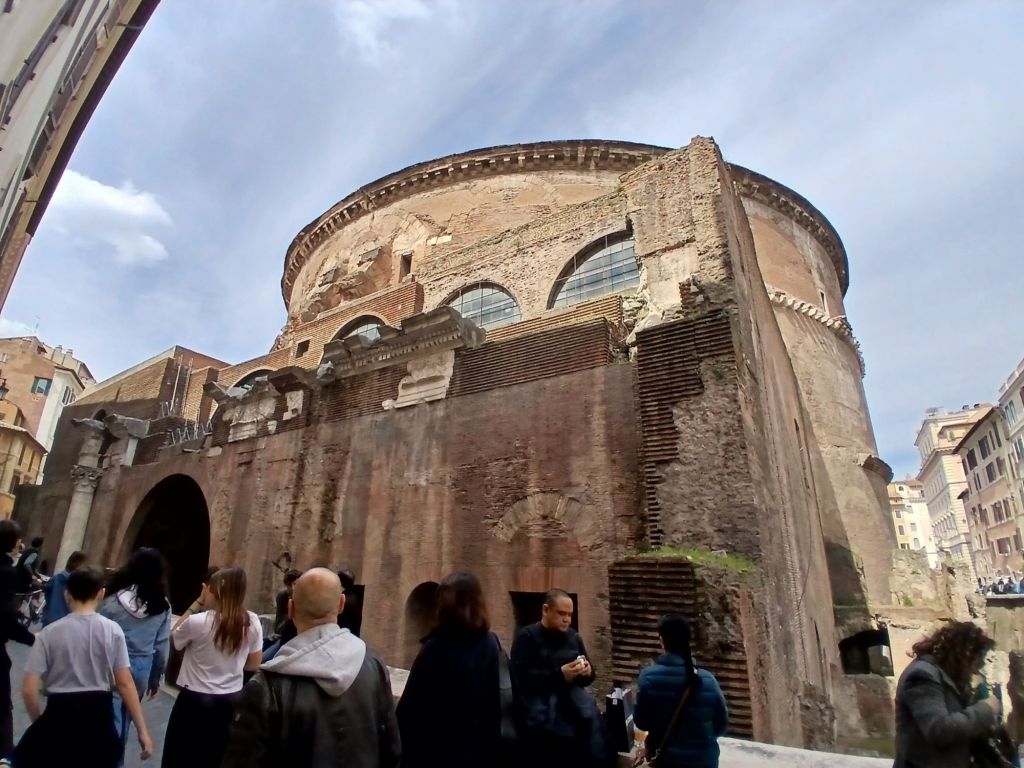
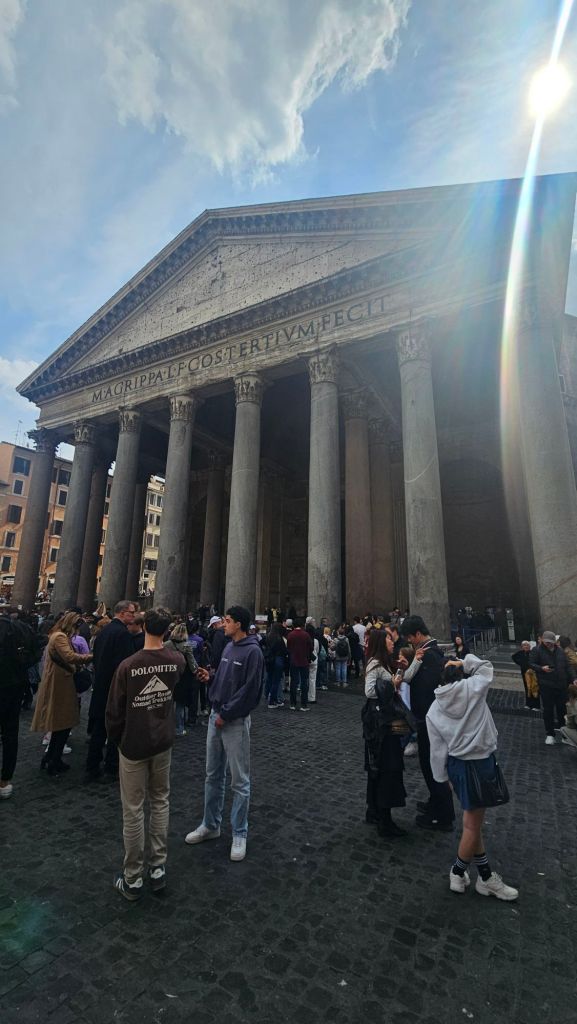
We saw the Roman Pantheon. It is one of the most well preserved buildings from ancient Rome. It was orginally built in 27 BC, rebuilt by Hadrian around 125 AD, then become a Christian Church in 609 AD.
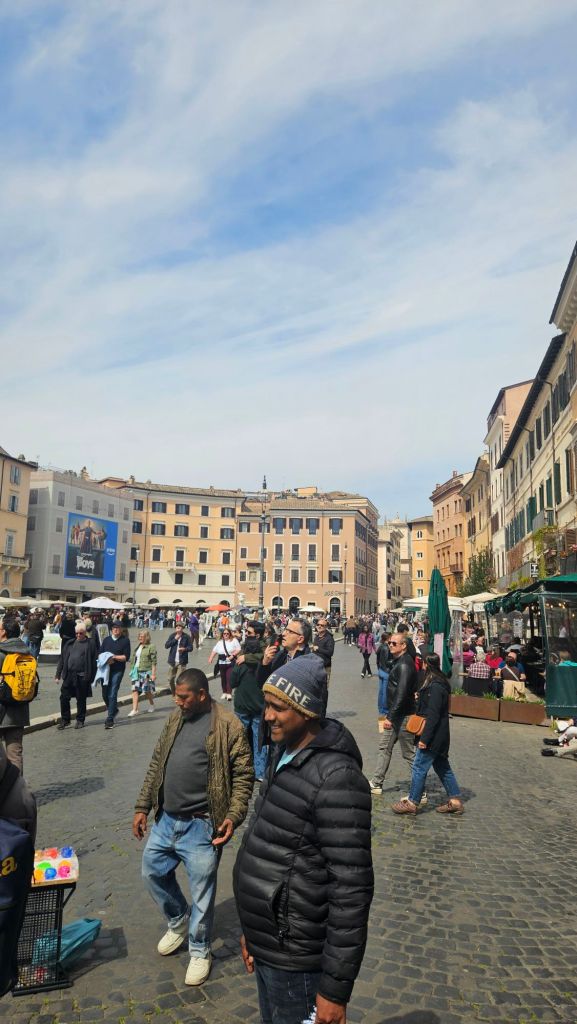
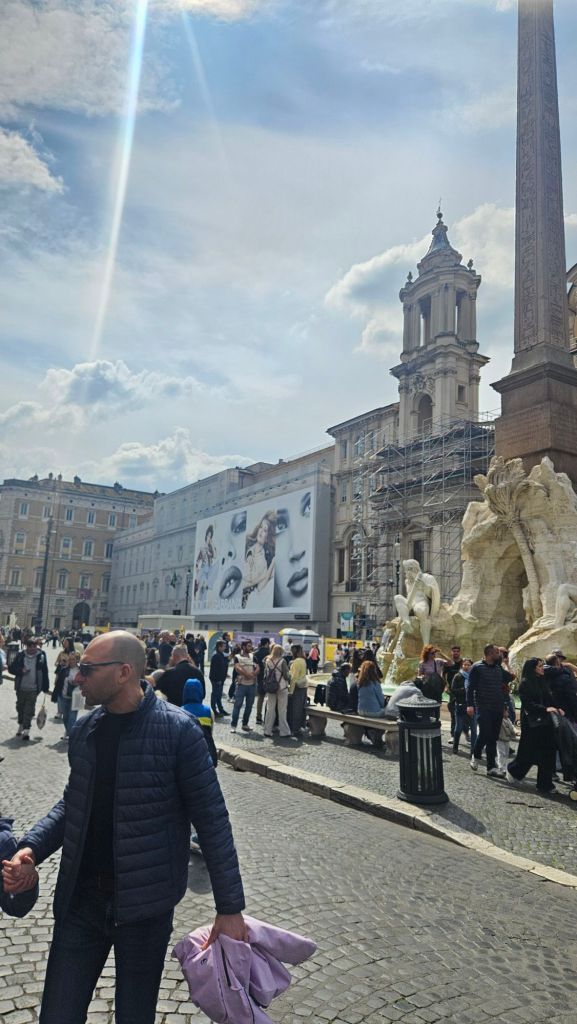
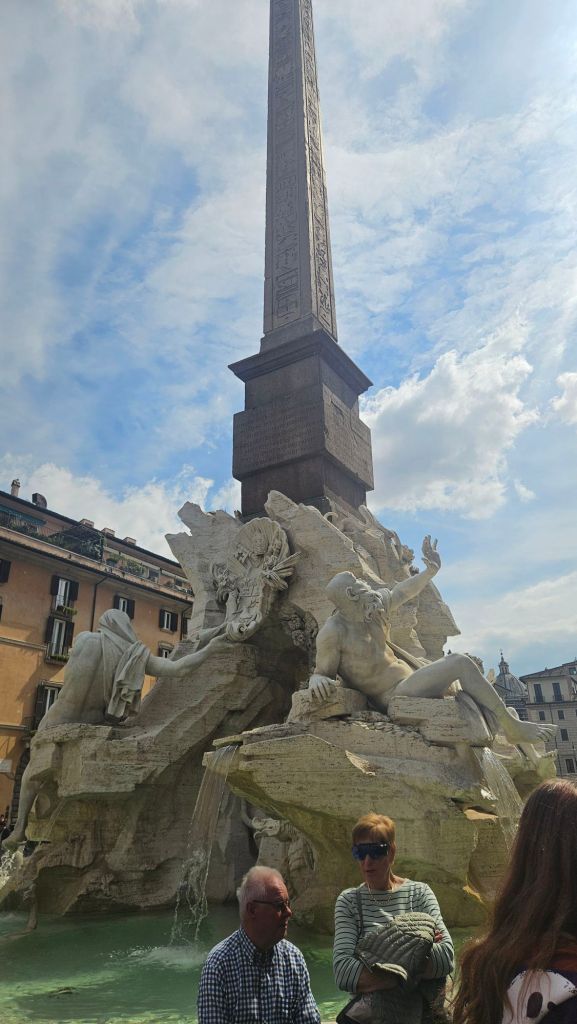
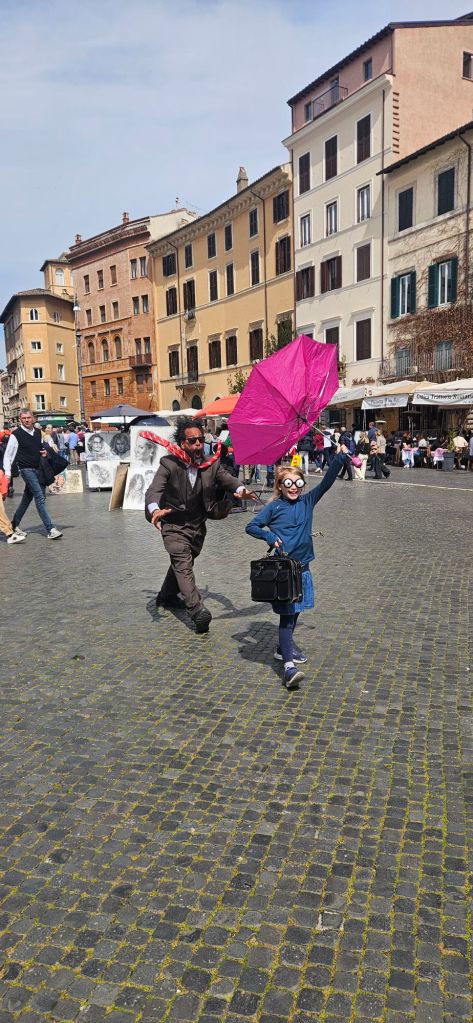
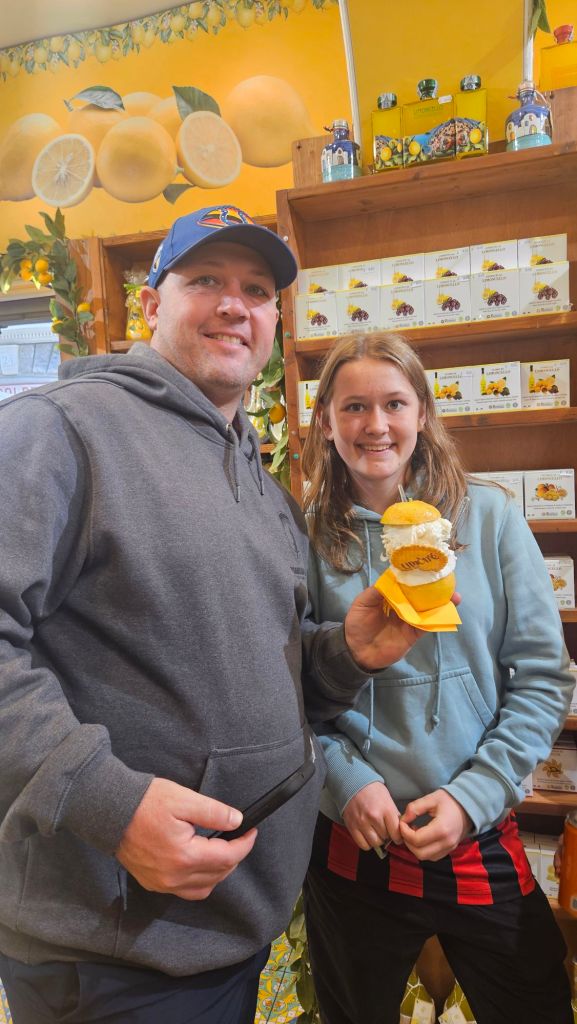
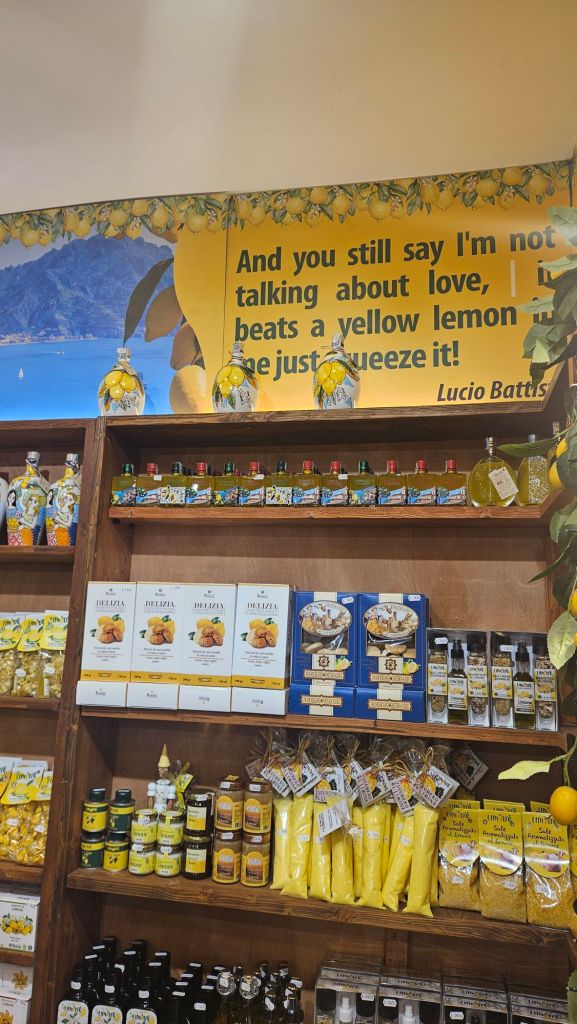
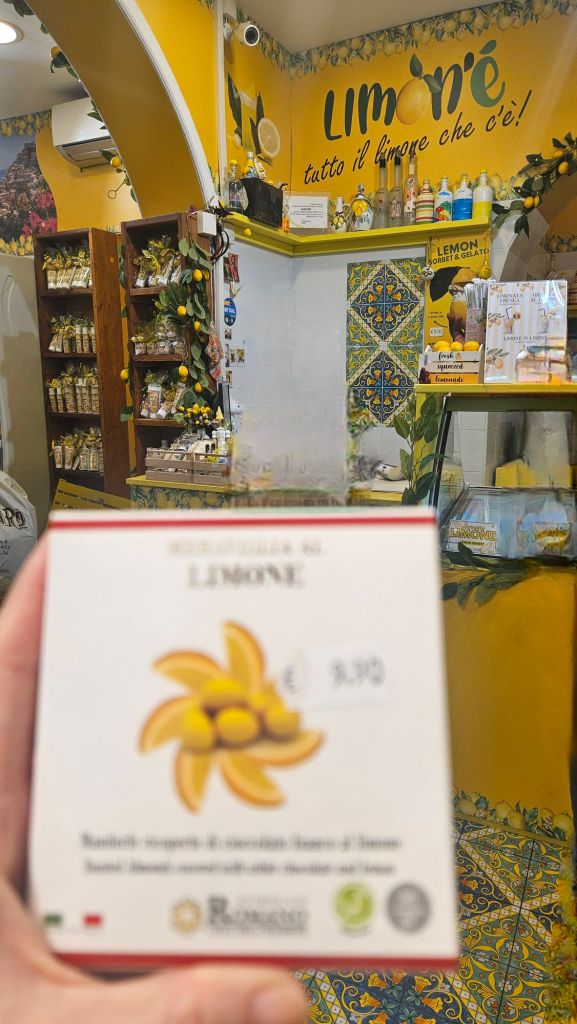
We explored a bit of the area, had fun with a street performer, and tried some delicious Lemon treats.
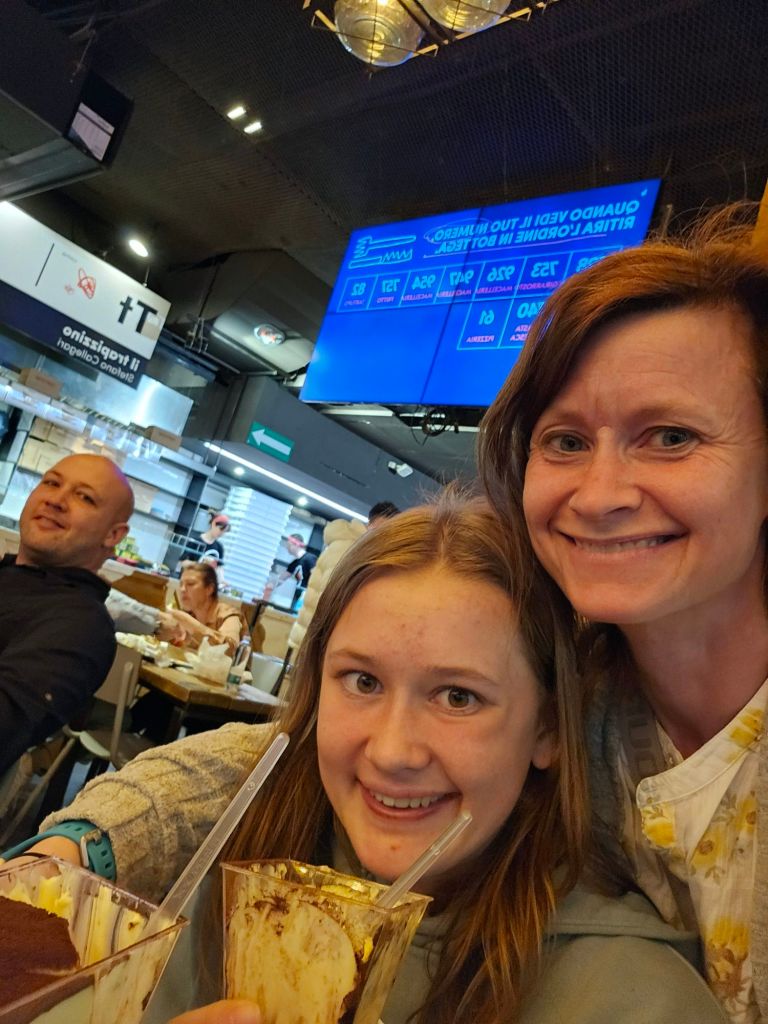
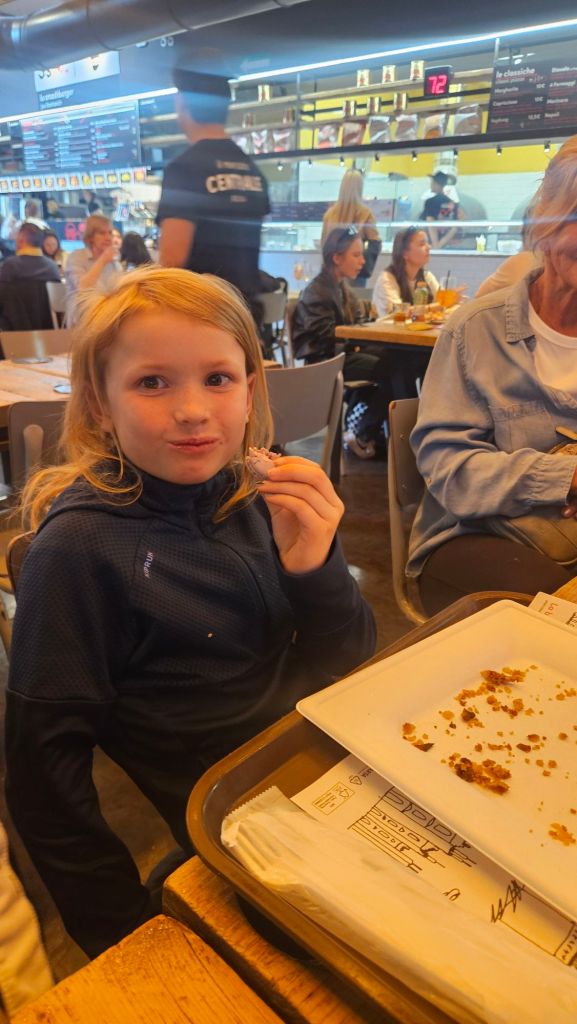
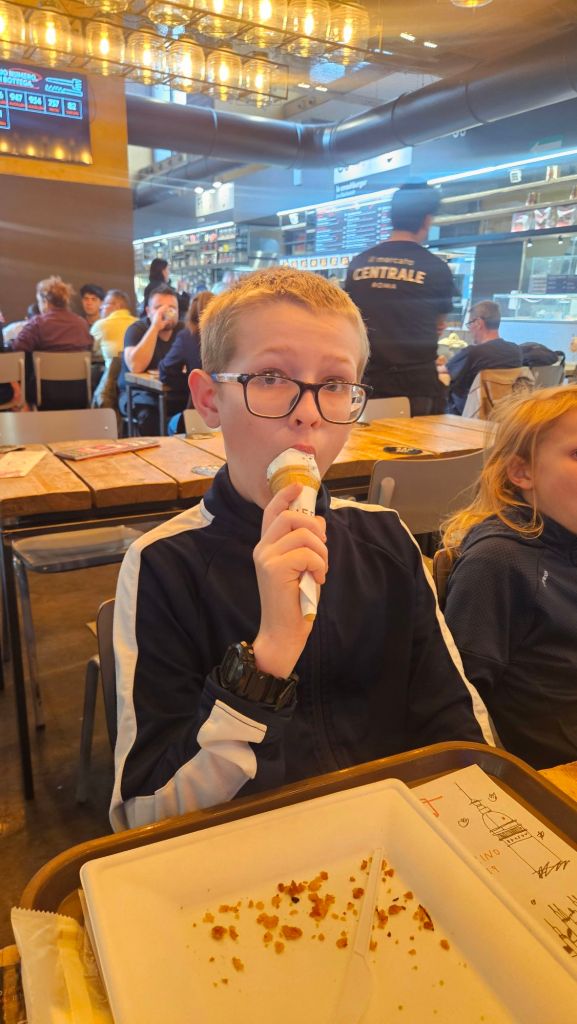
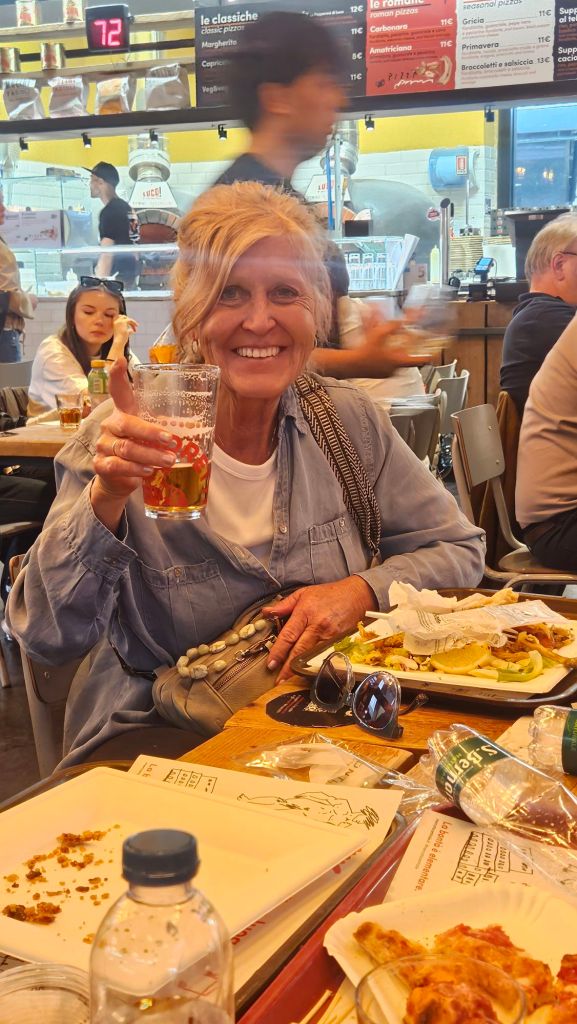
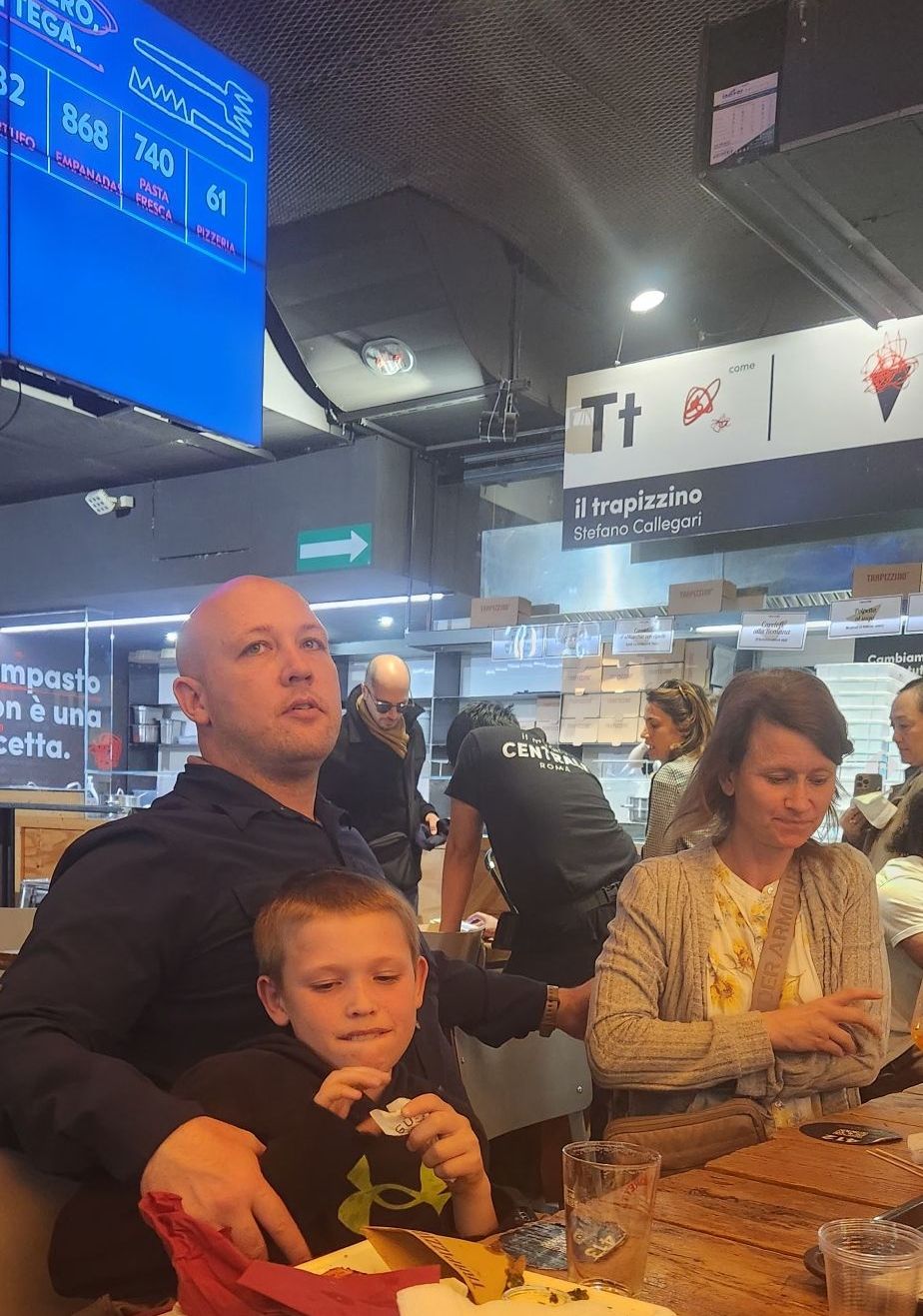
We found a food court type place to eat. Izzy and I had the traditional dessert of Tiramasu.
Steve and Izzy got a beautiful morning view of the Roman Collesium on their morning run.
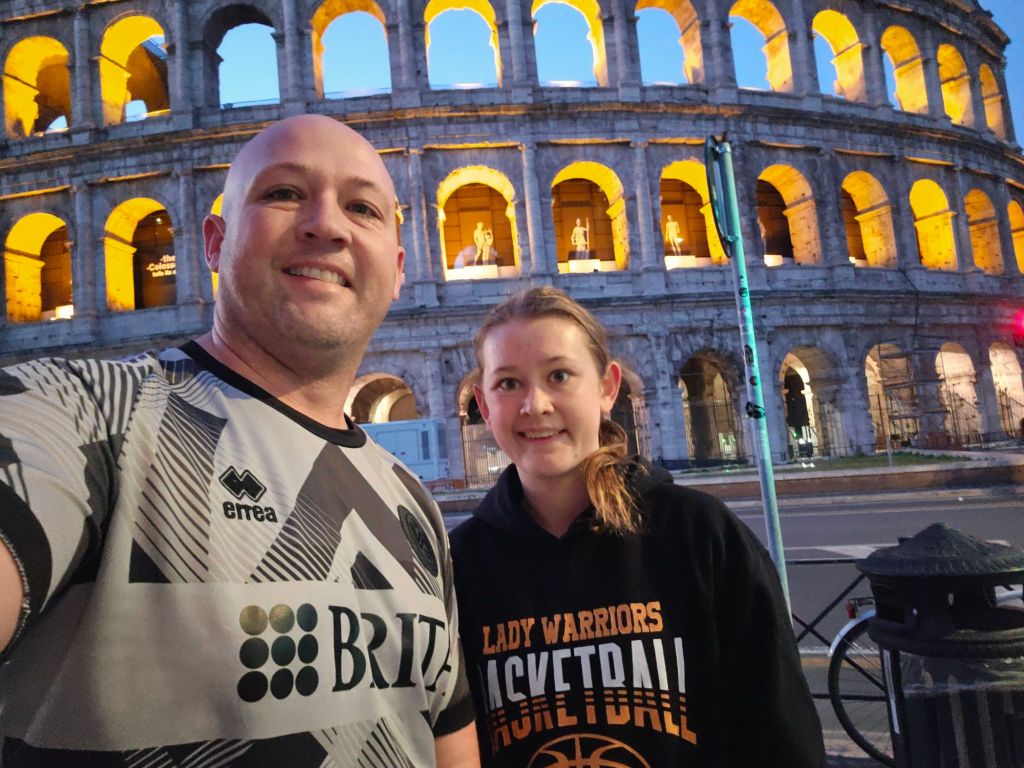
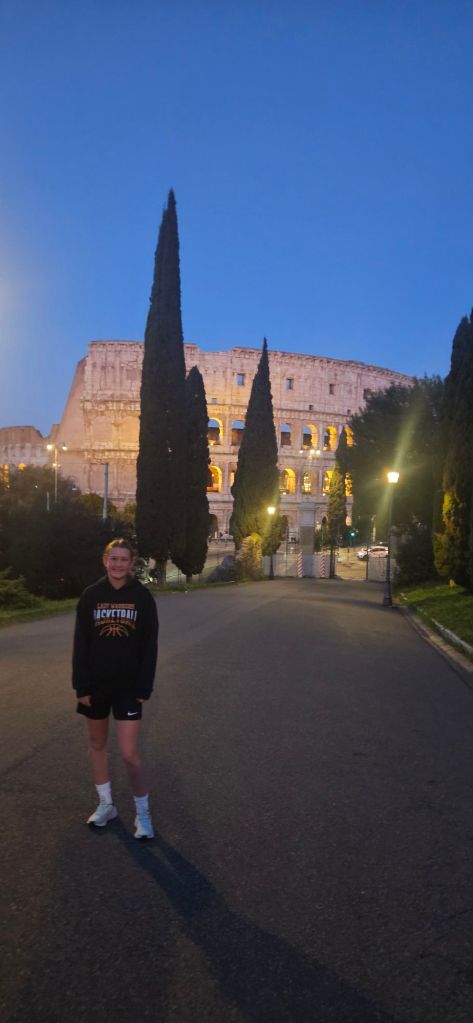
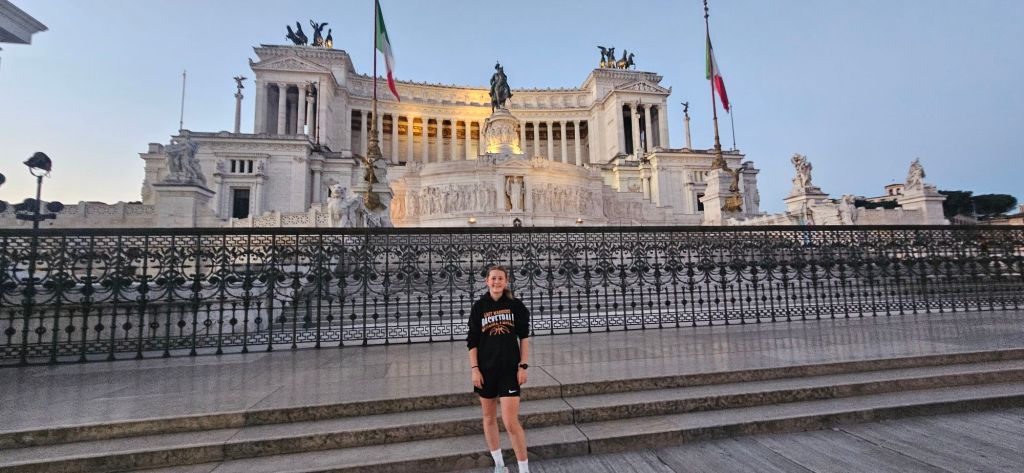
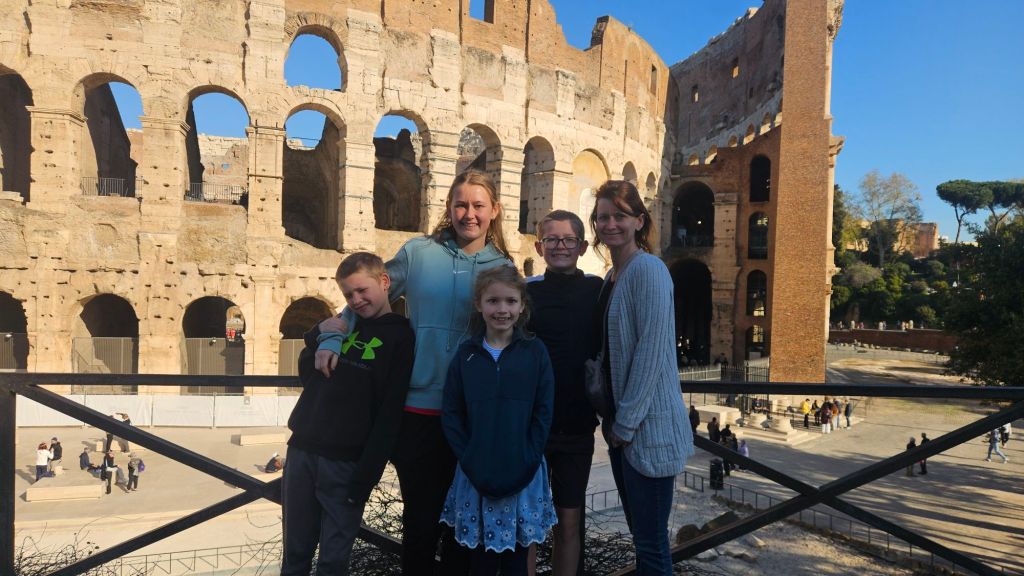
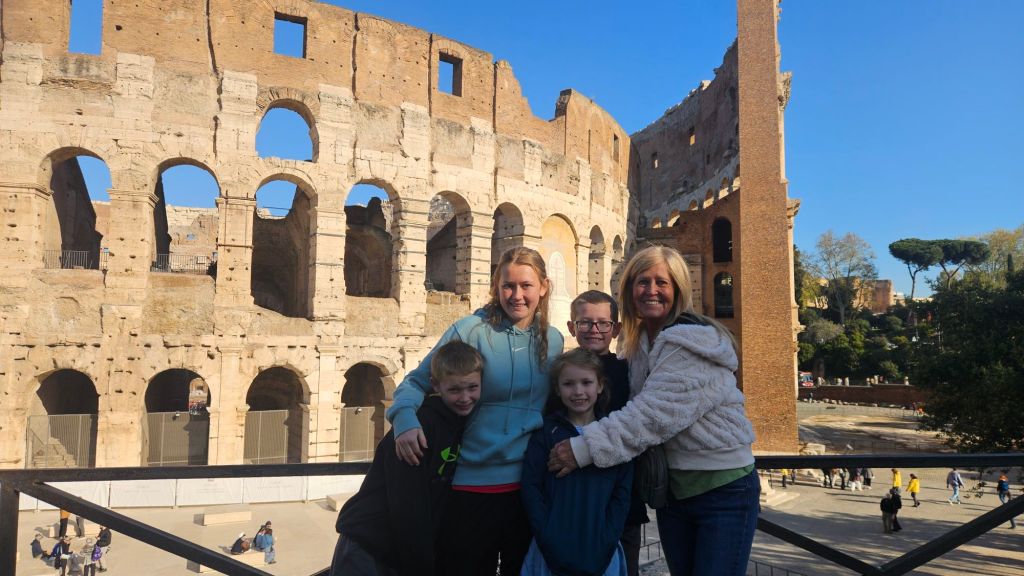
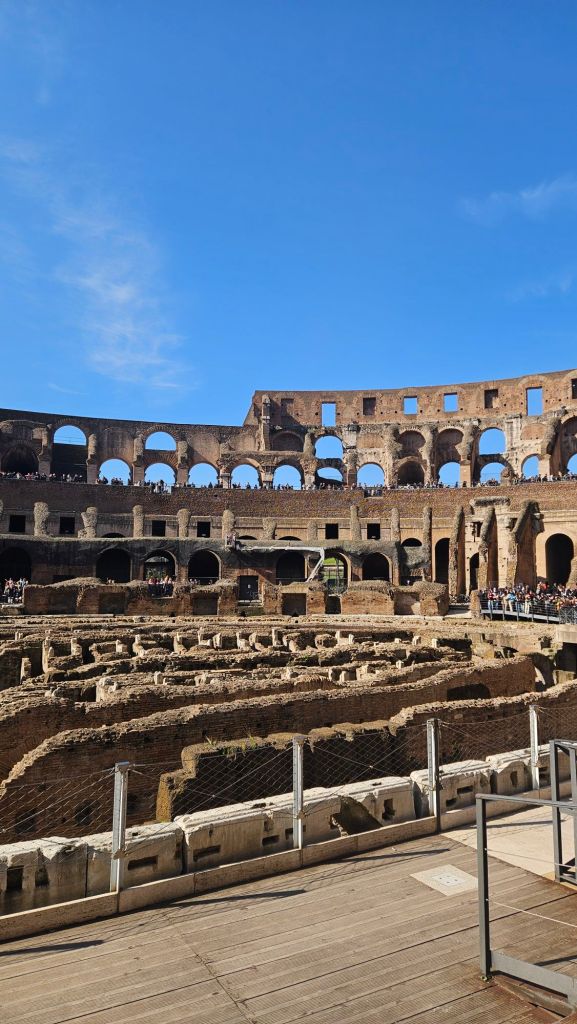
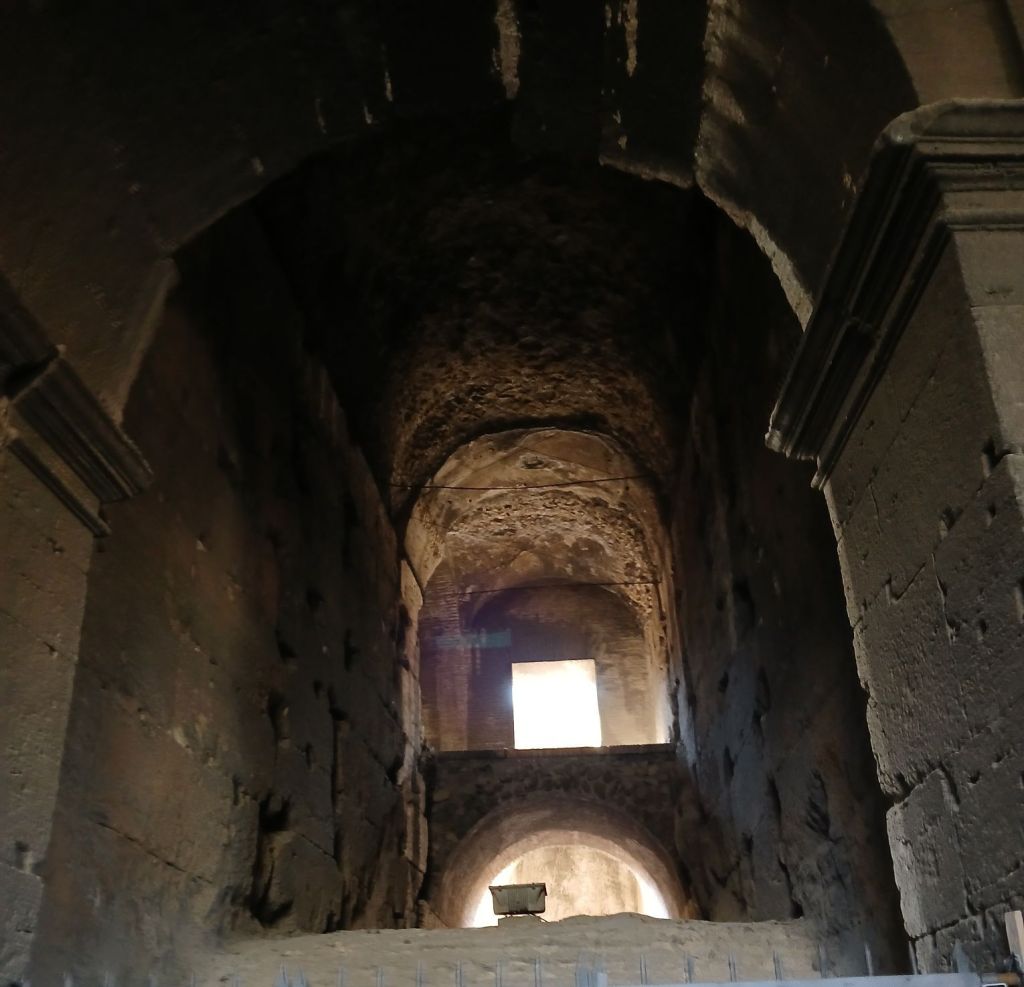
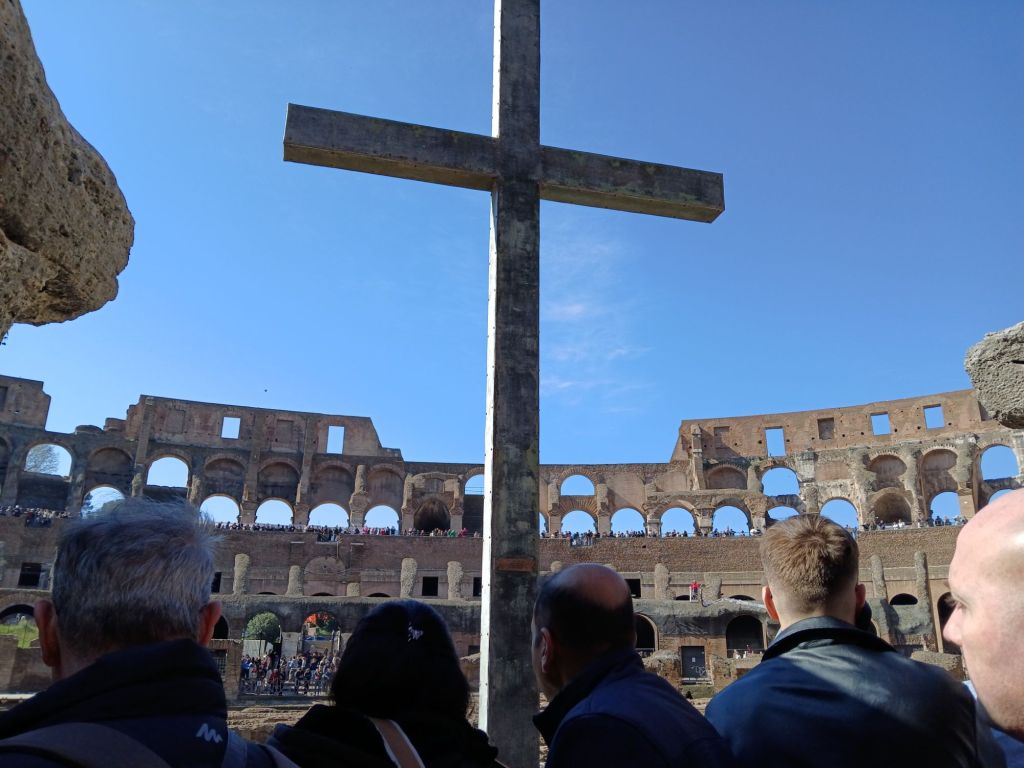
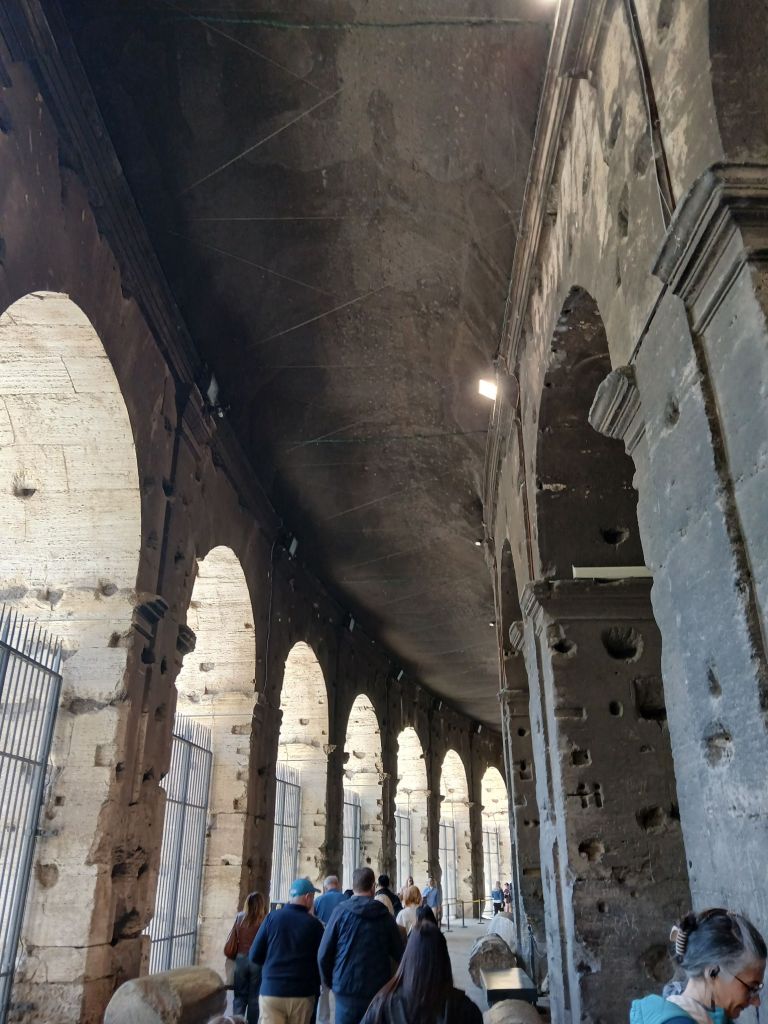
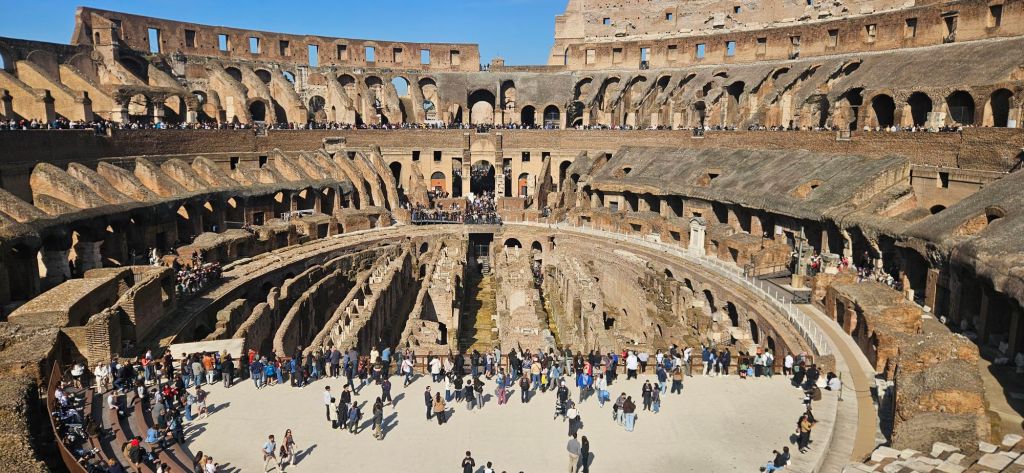
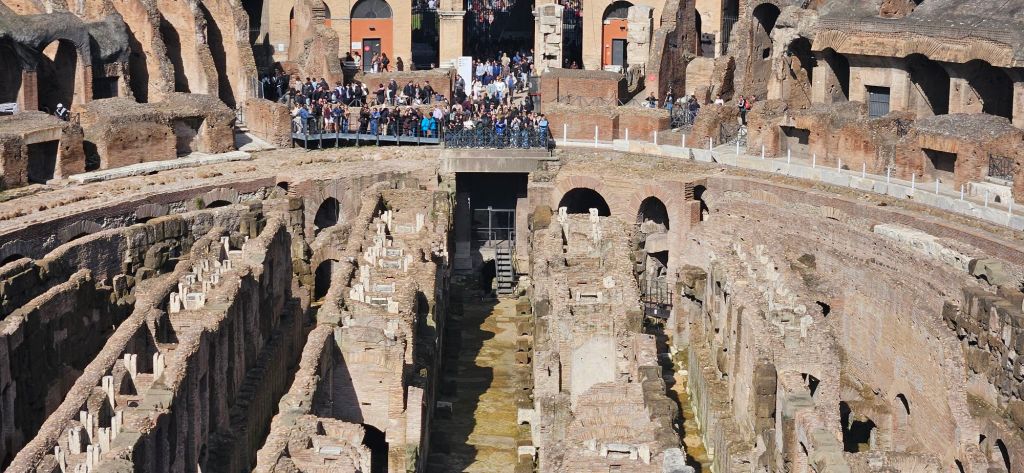
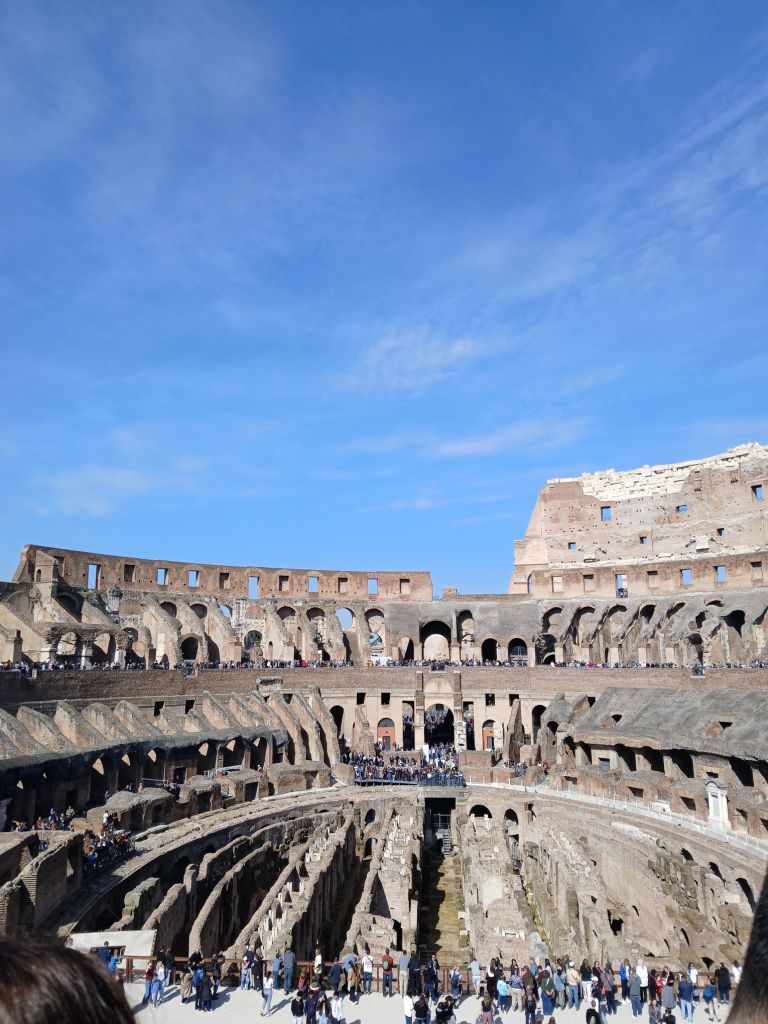
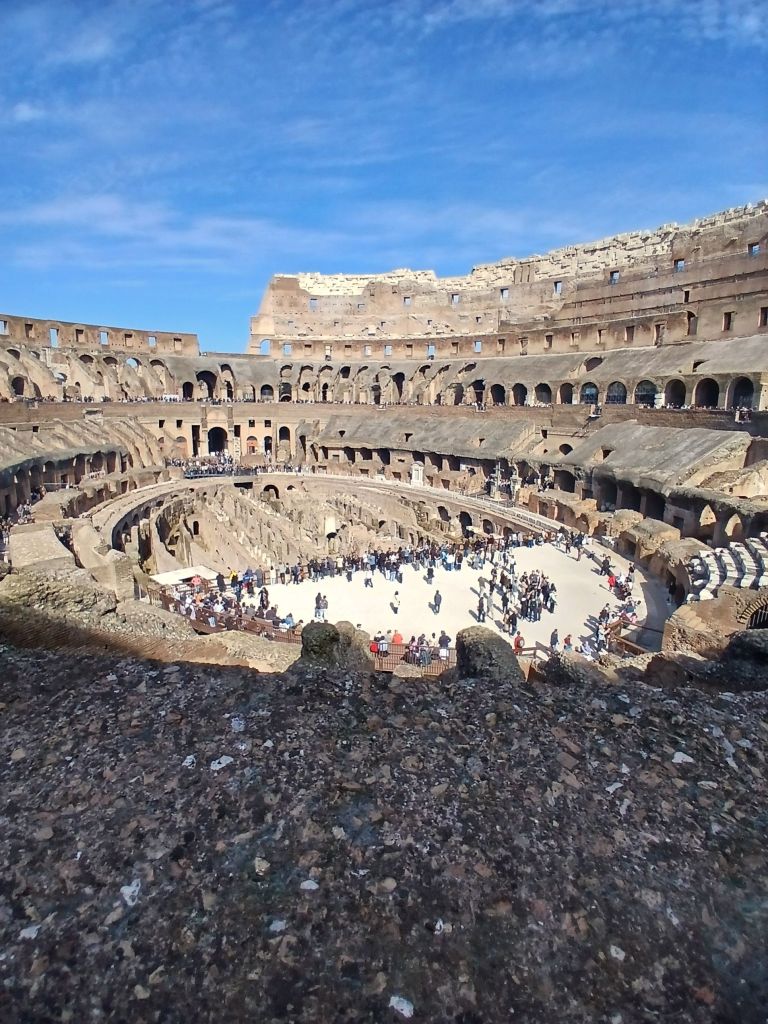
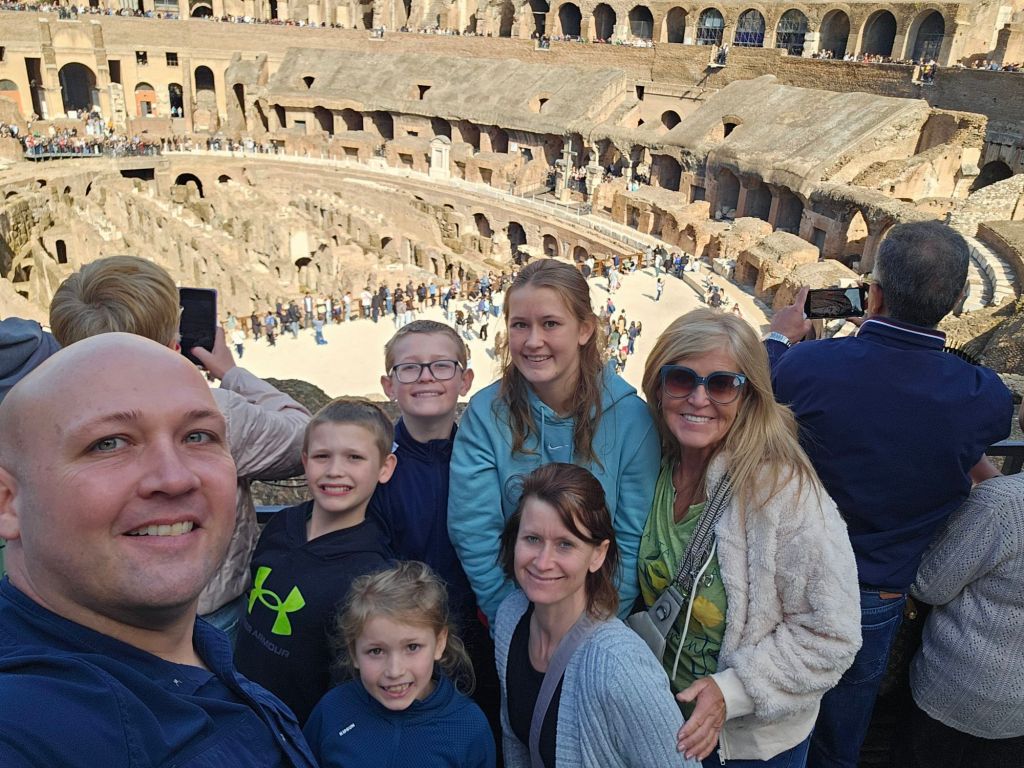
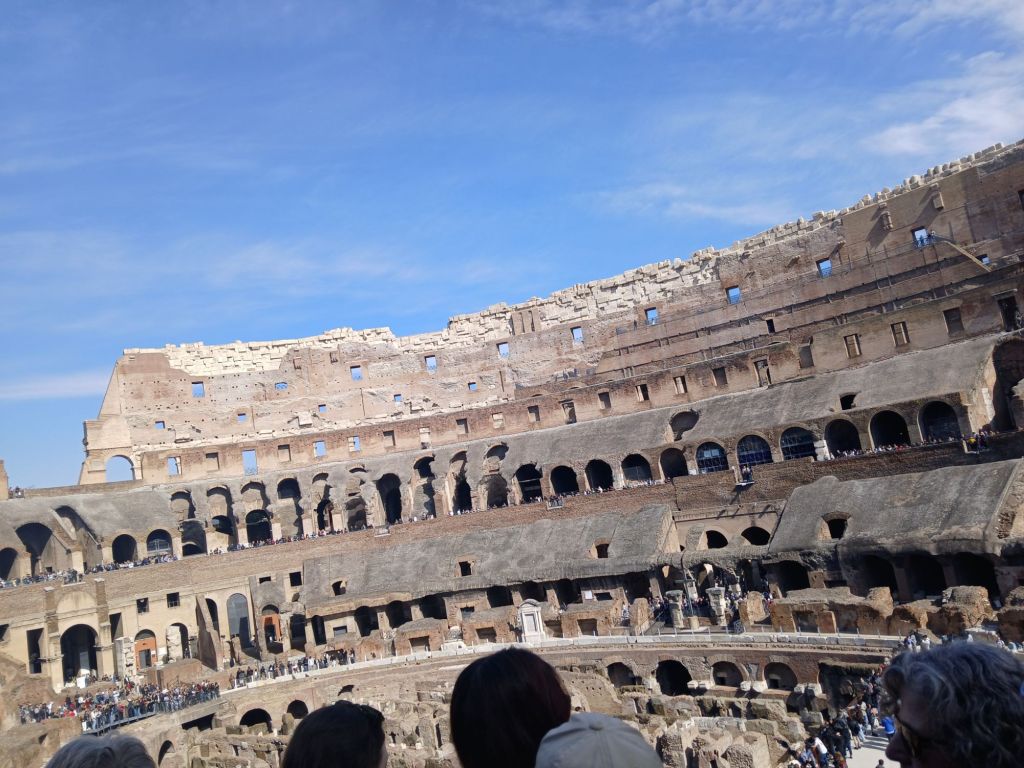
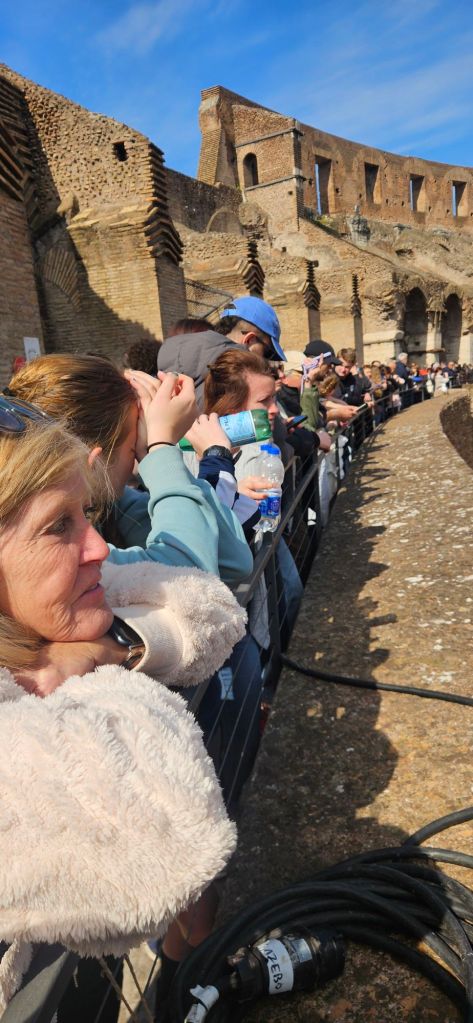
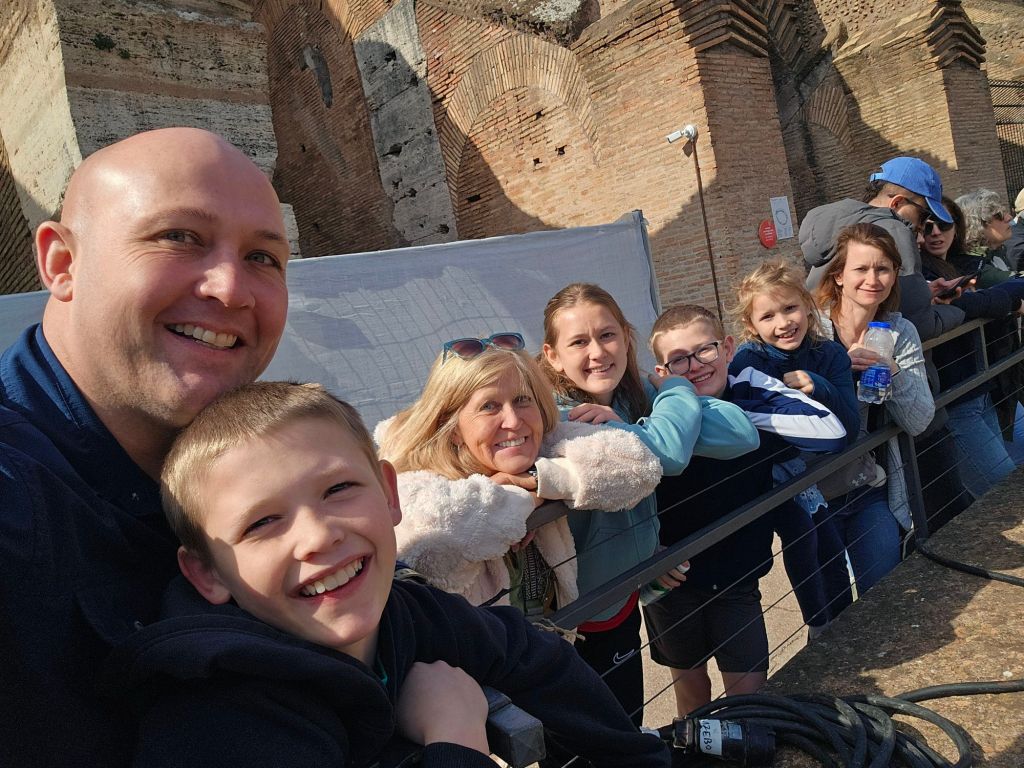
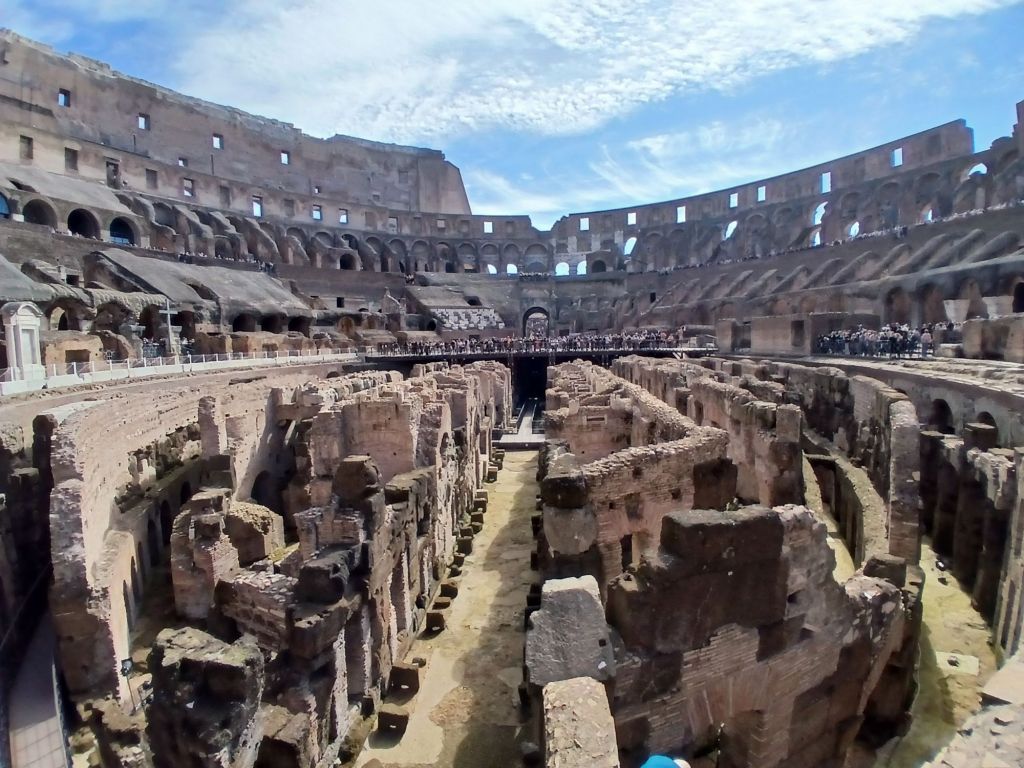
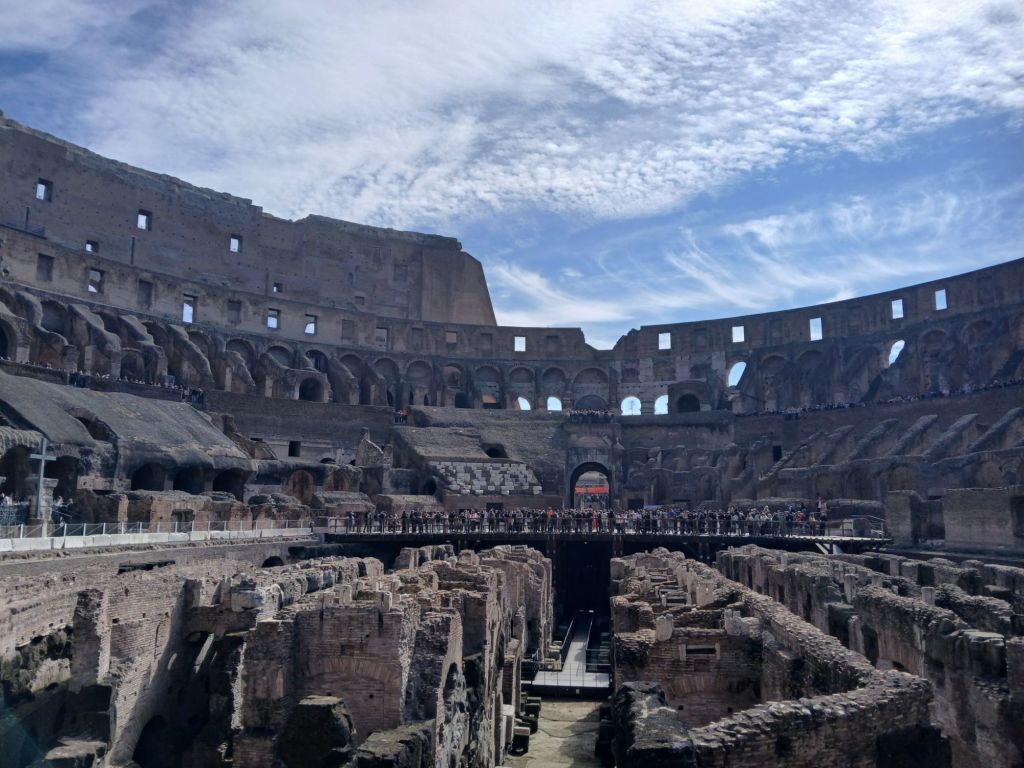
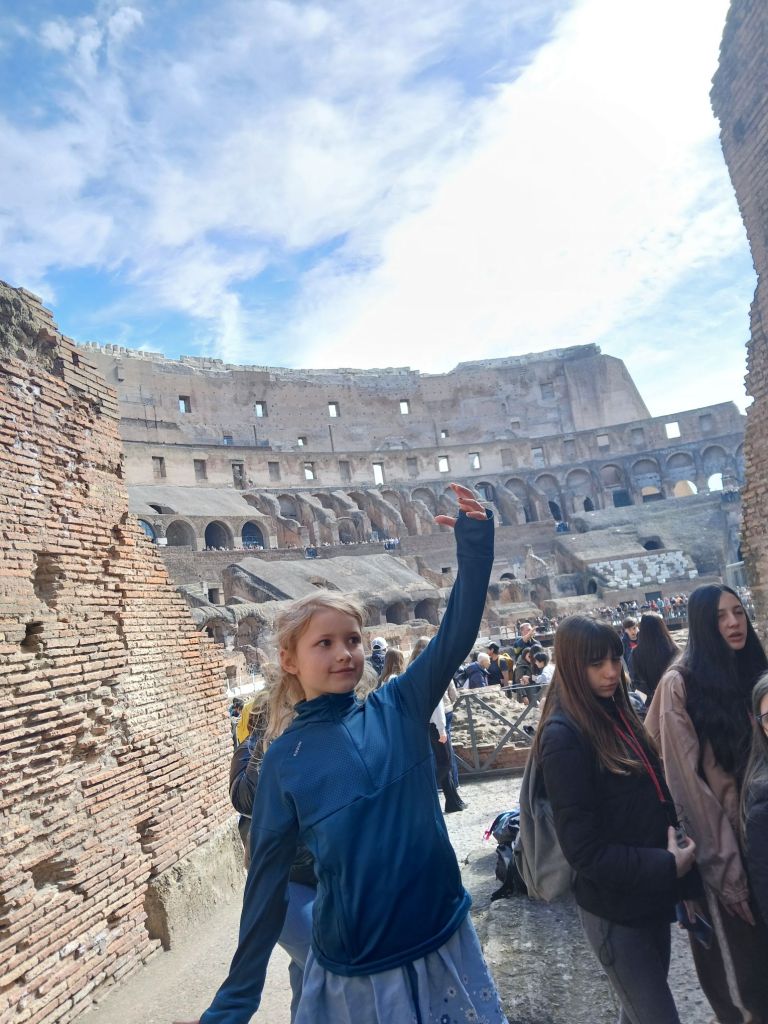
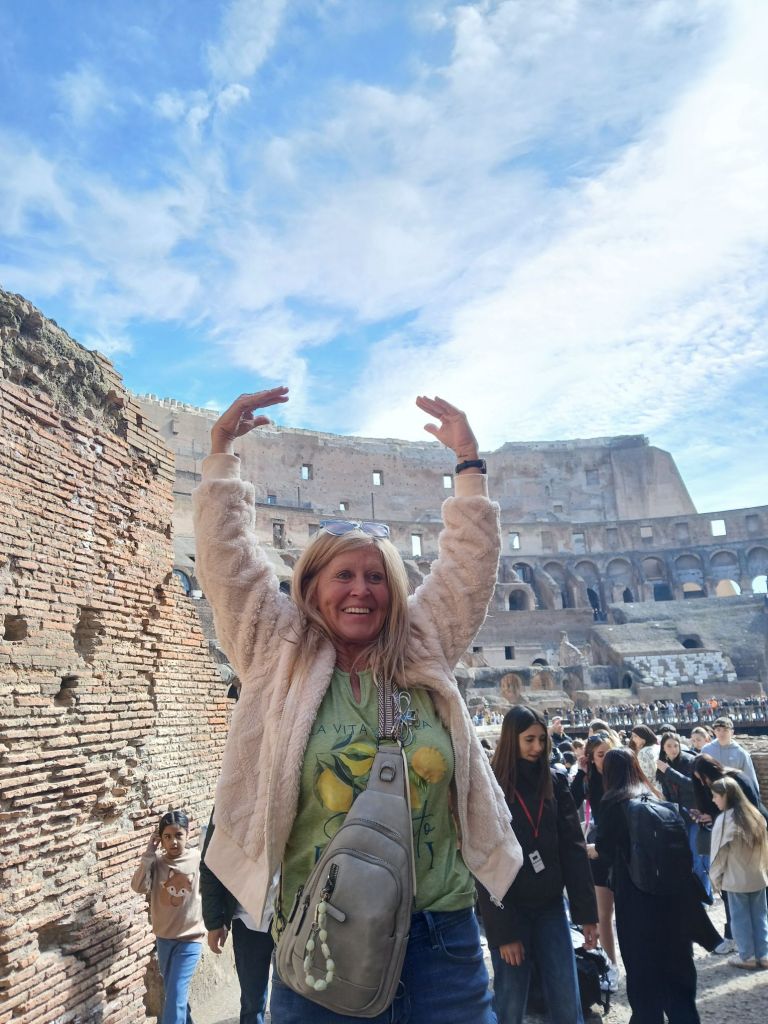
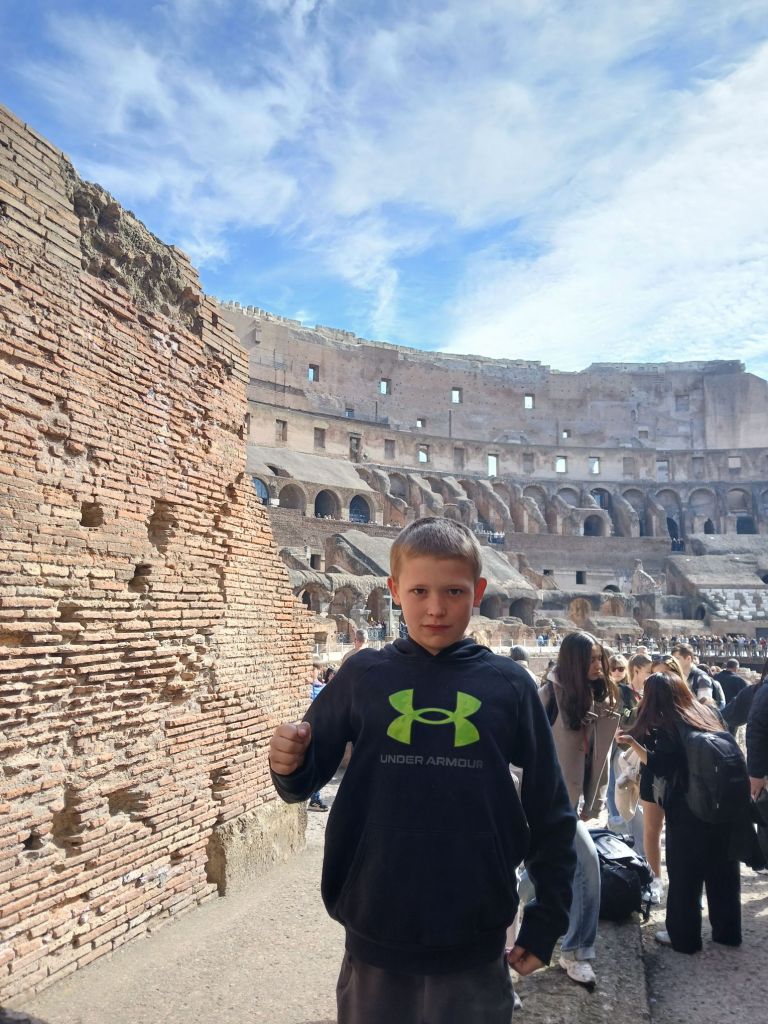
One of the coolest historical buildings I have been in was the Roman Collesium. The Collesium was built in 80 AD. It was an architectural feat of it’s time. It could house up to 80,000 people, had a system of underground tunnels, and a retractable awning to protect from weather and sun. It was used for entertainment purposes that included gladitorial combats, animal hunts, and mock naval battles. Yes, at one time they could flood the Collesium. We also pretended to be statues at the Collesium entrance.
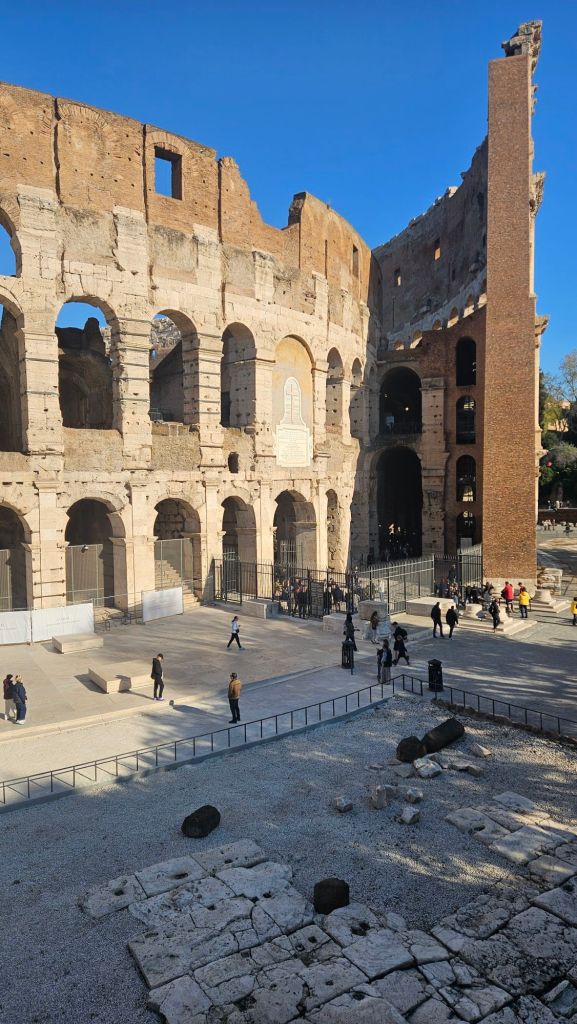
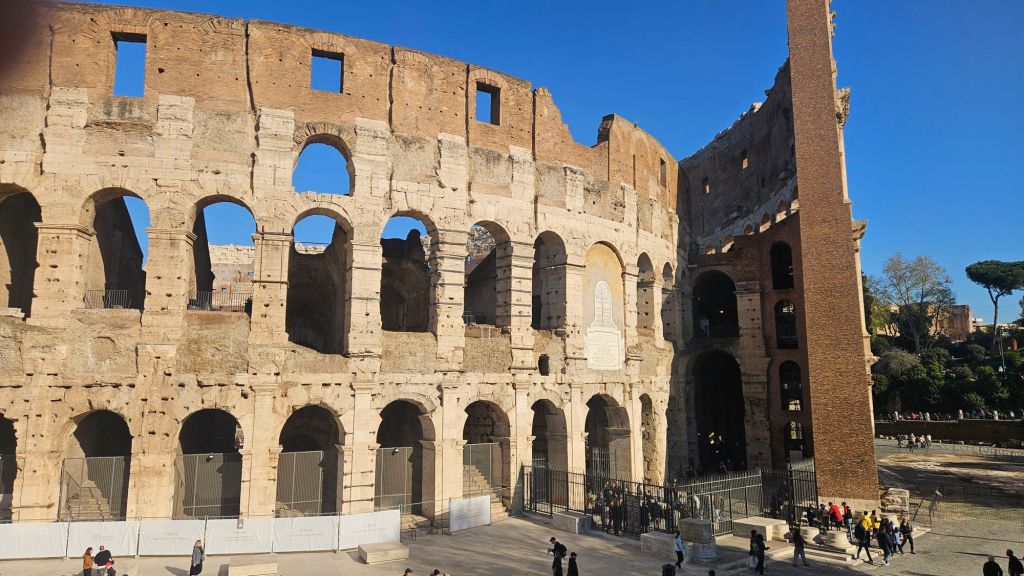
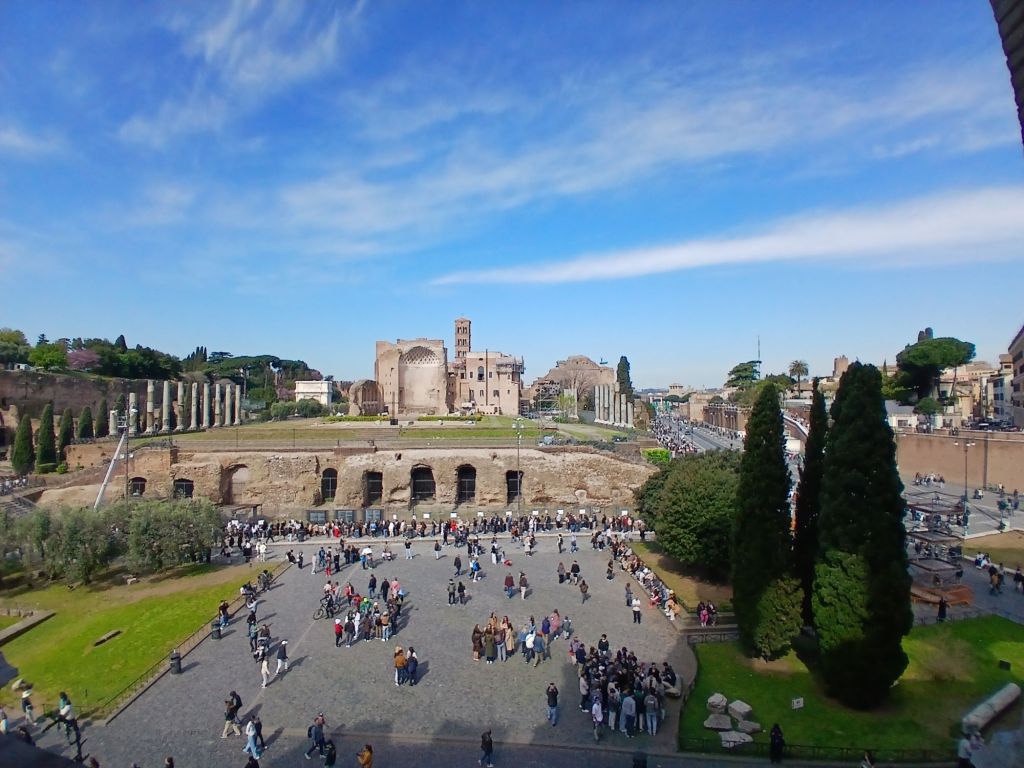
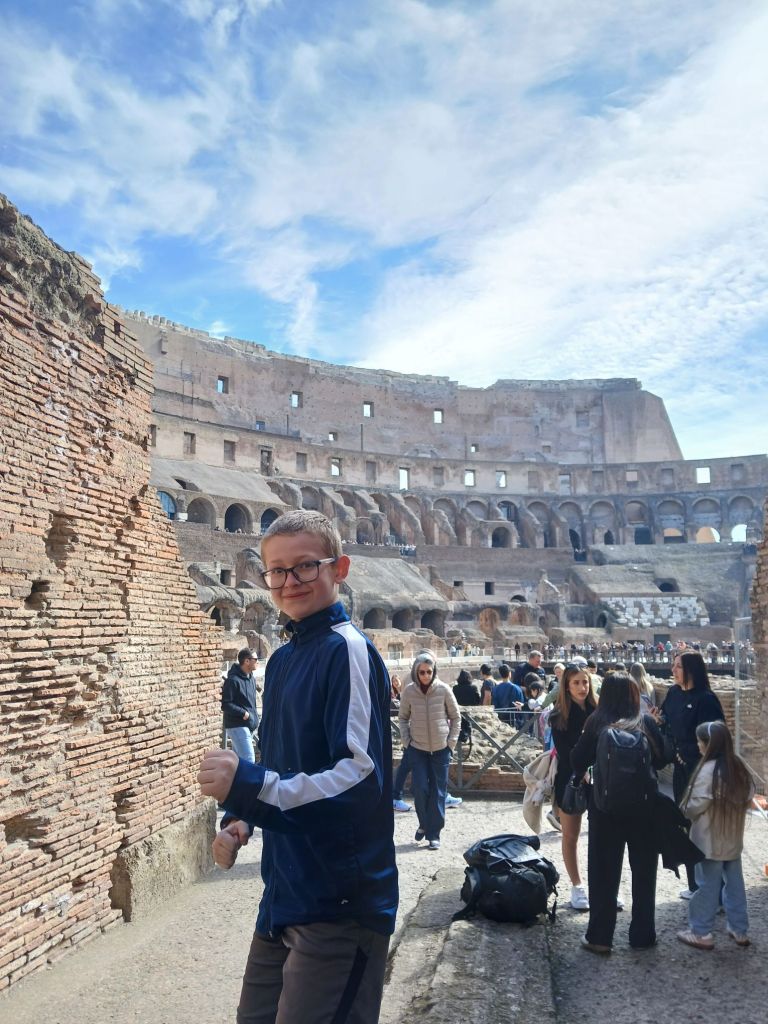
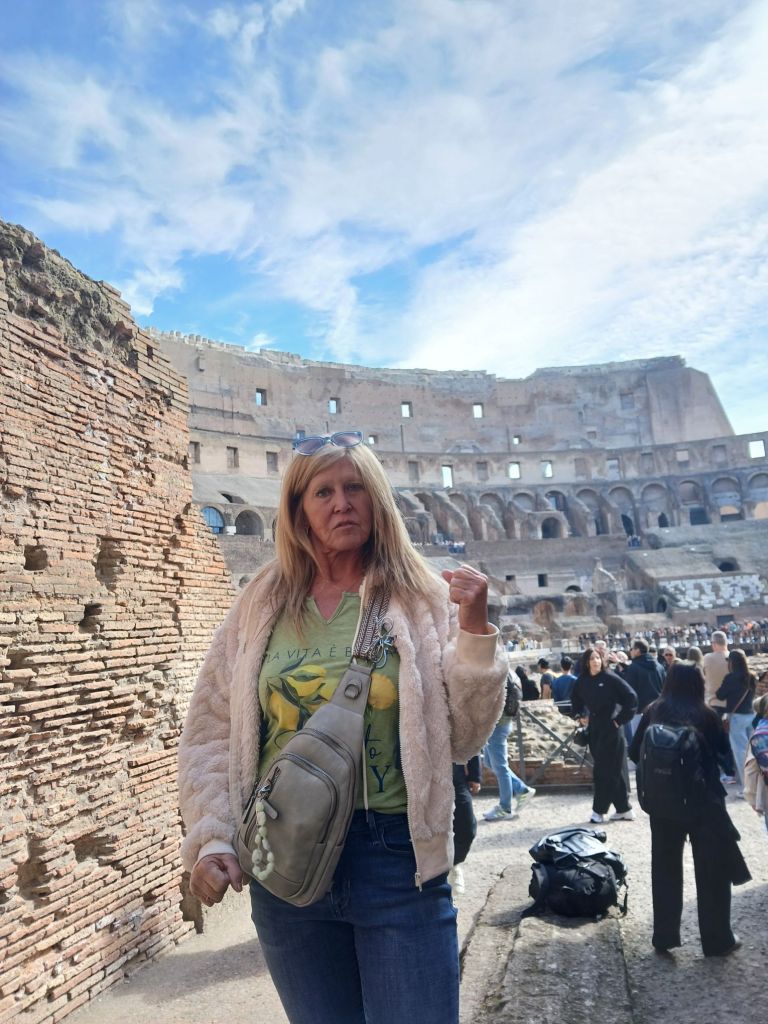
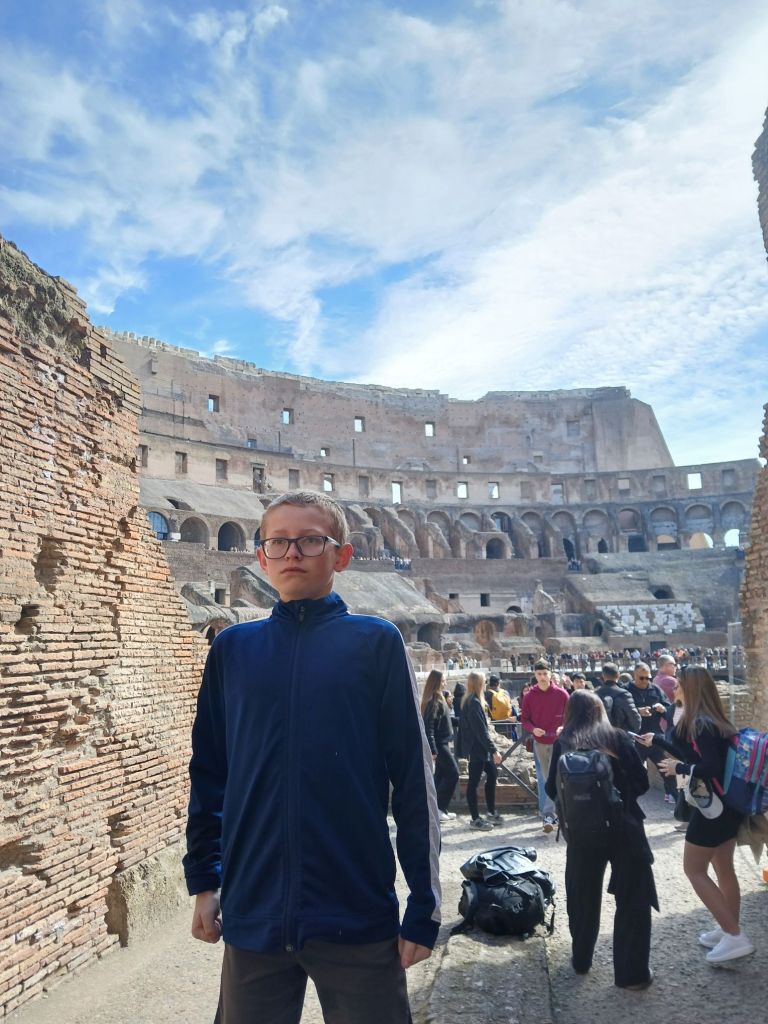
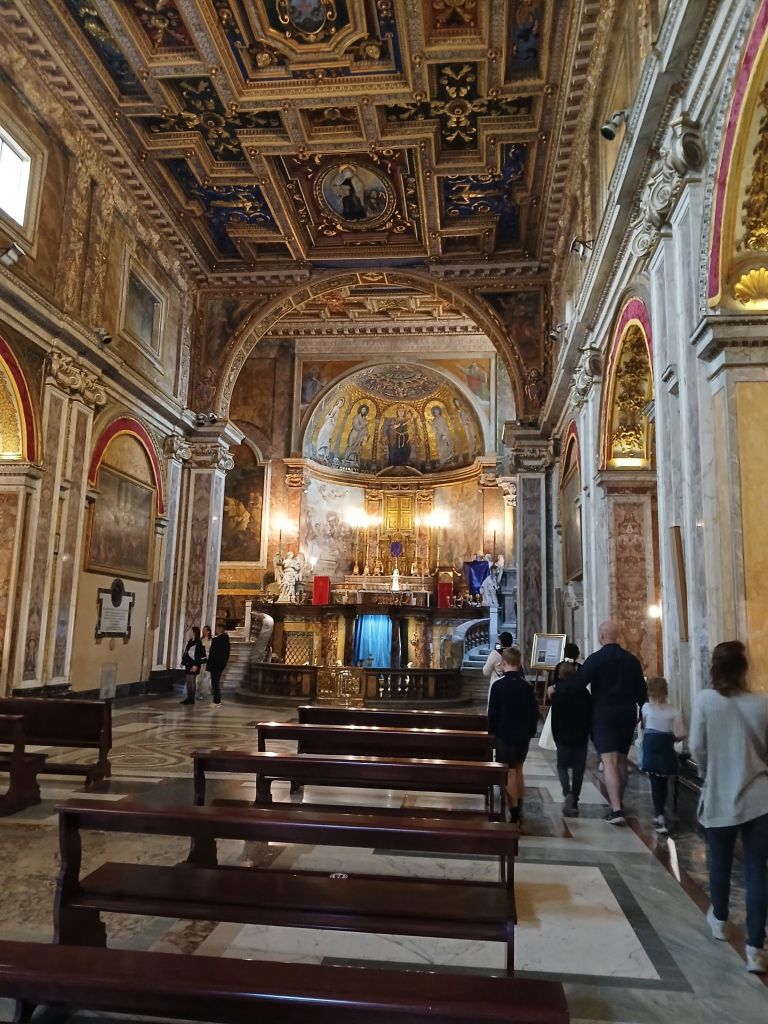
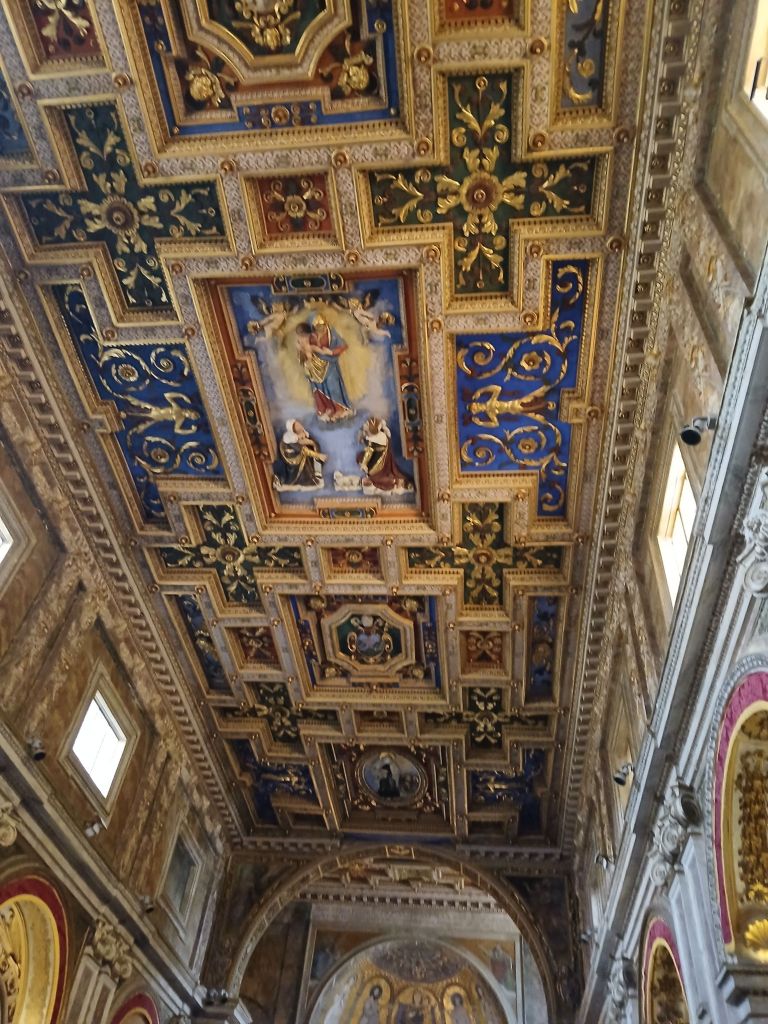
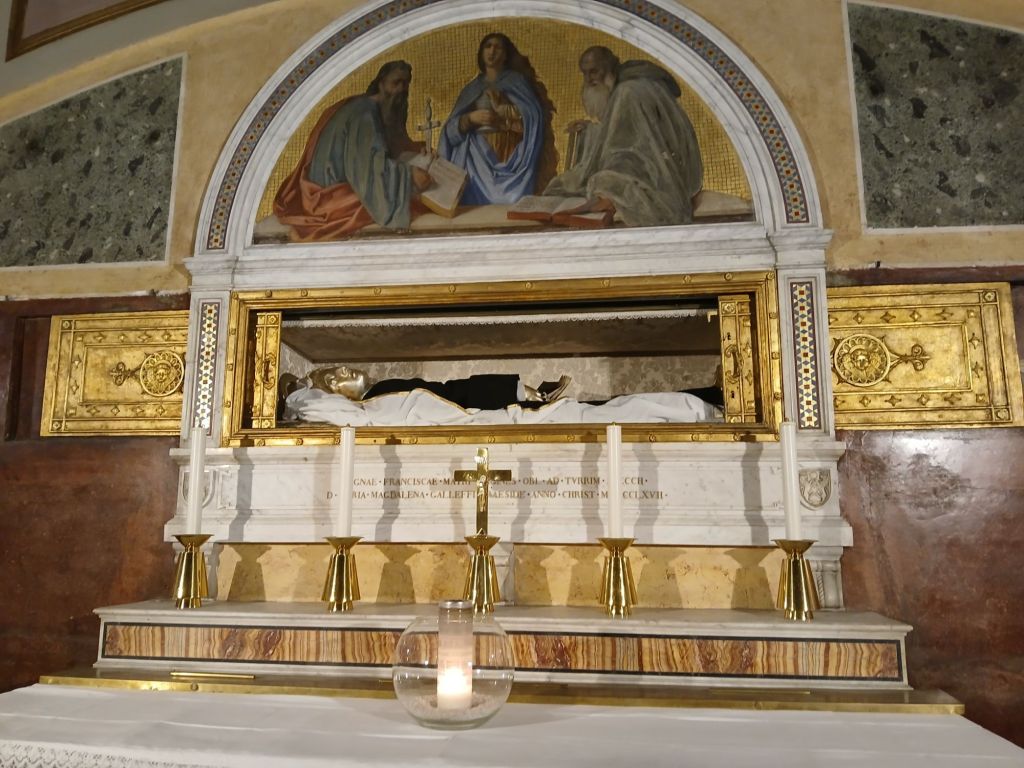
We visited the Bascillica of Santa Francesca Romana. This church is located between the Collesium and the Ancient Roman ruins. It was orginally built in the 10th century.
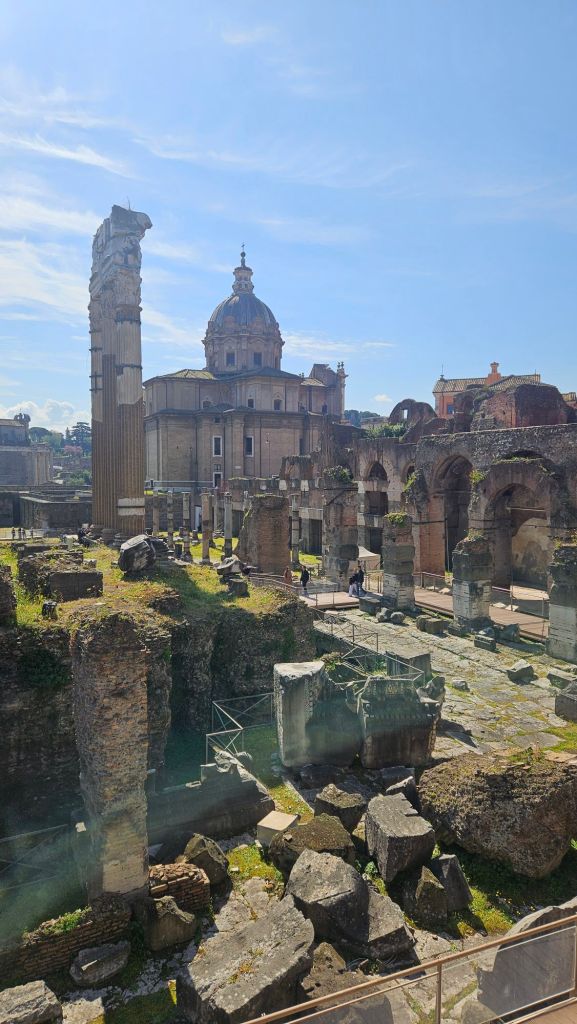
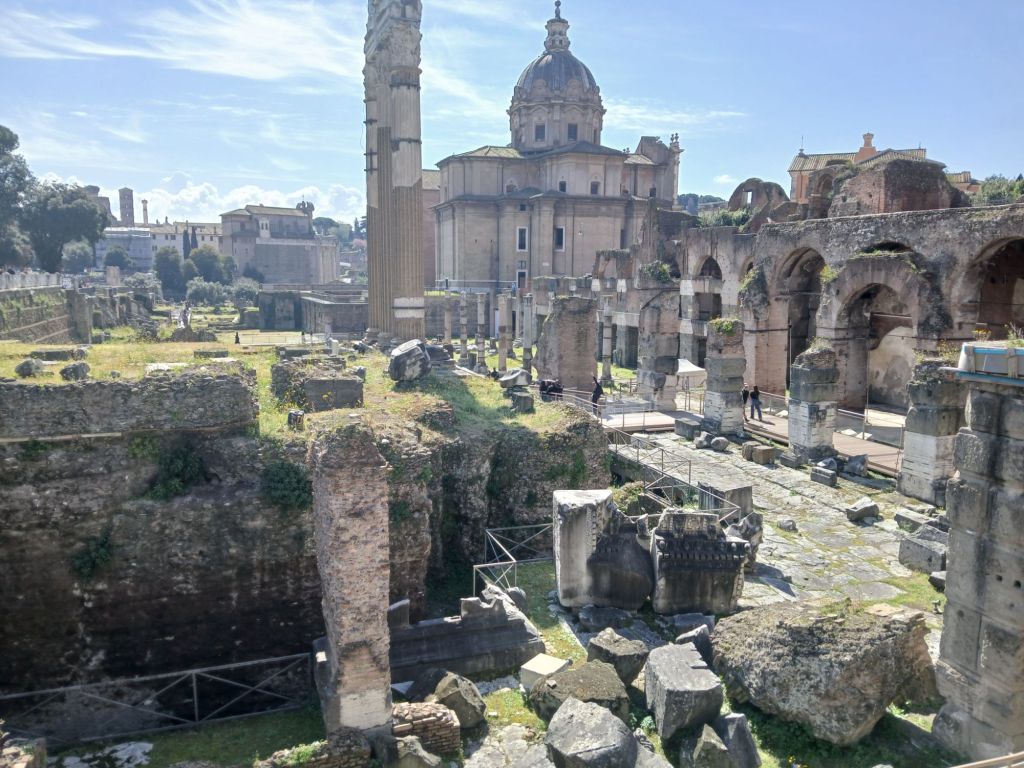
We saw ruins of ancient Rome.
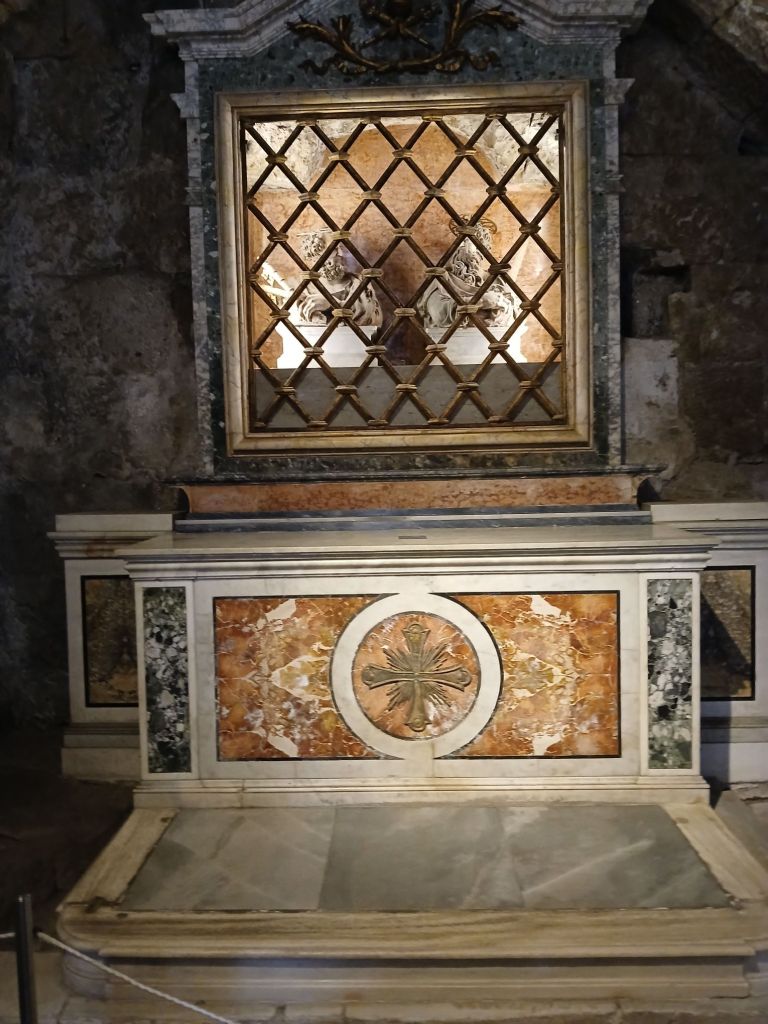
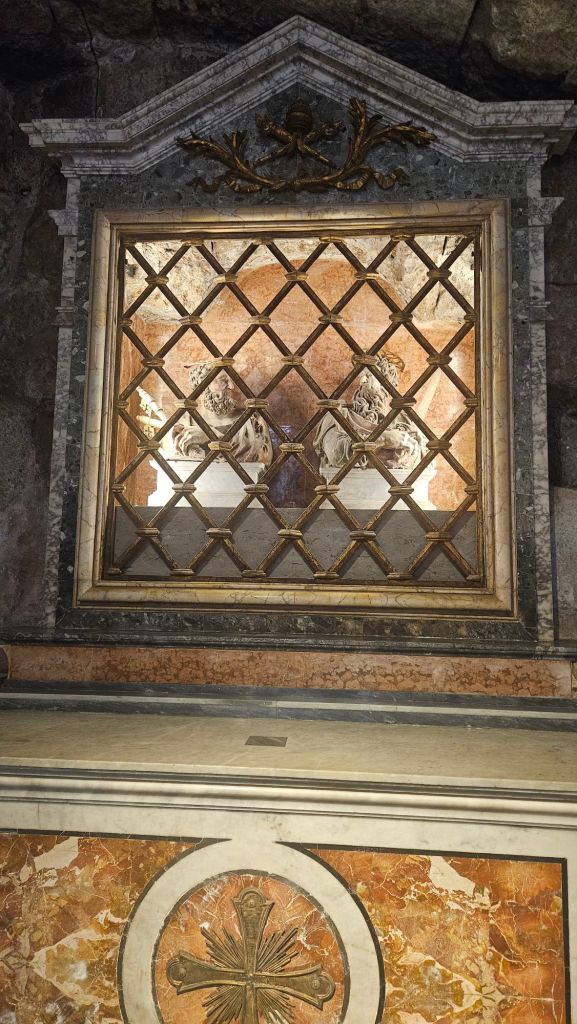
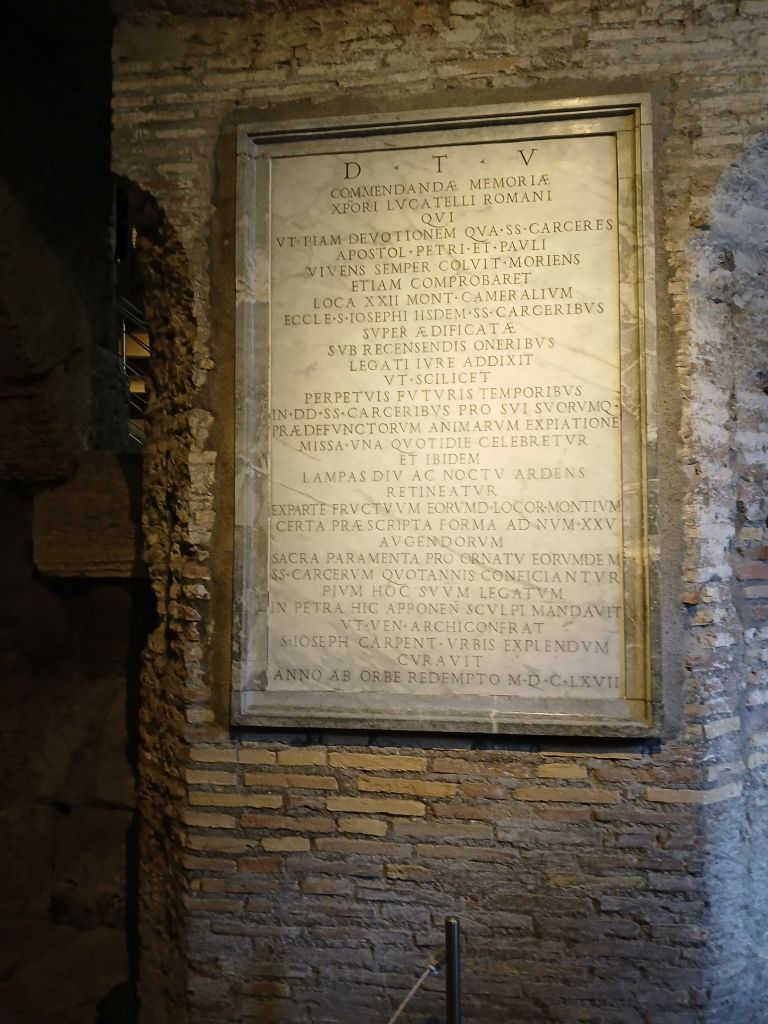
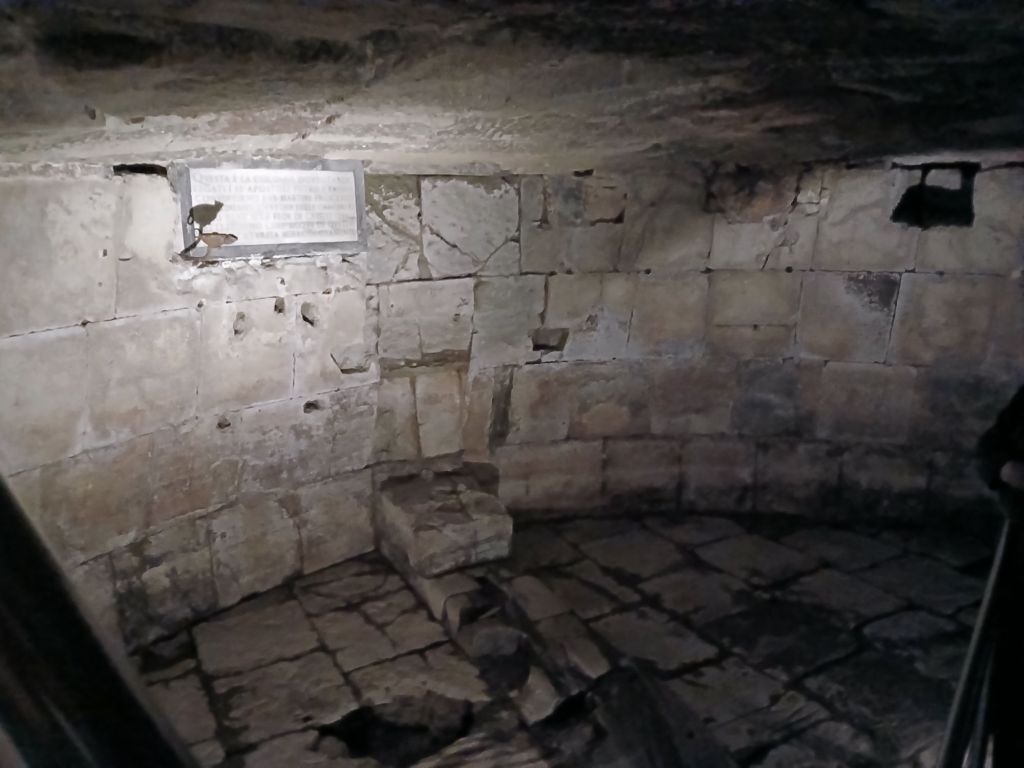
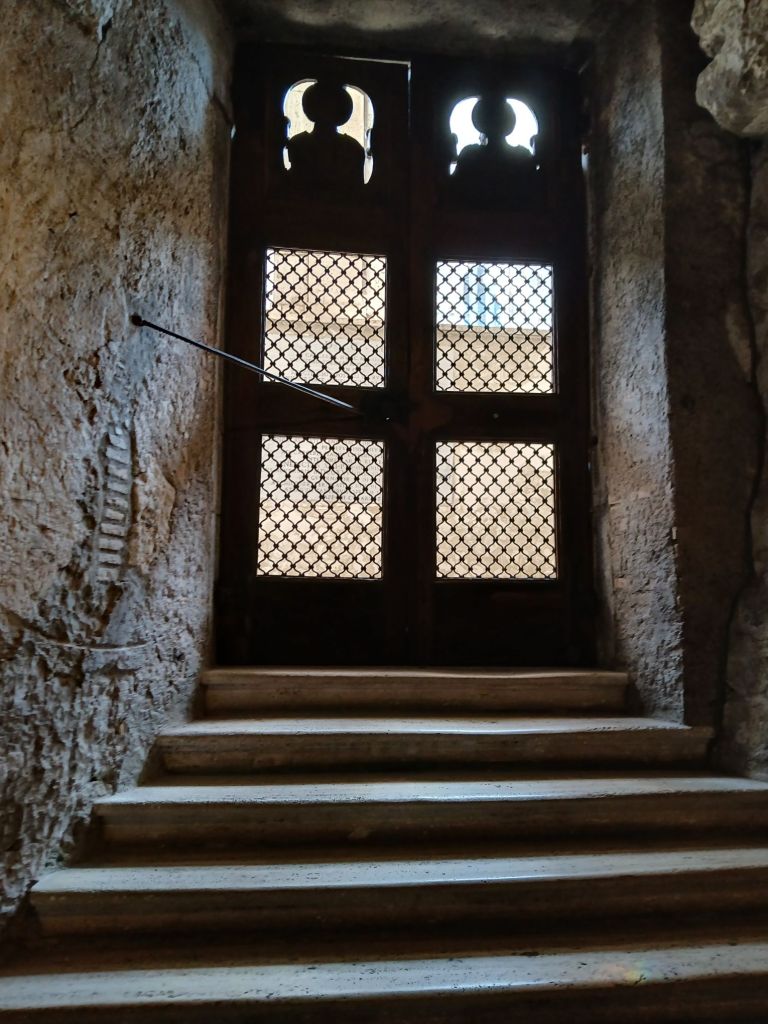
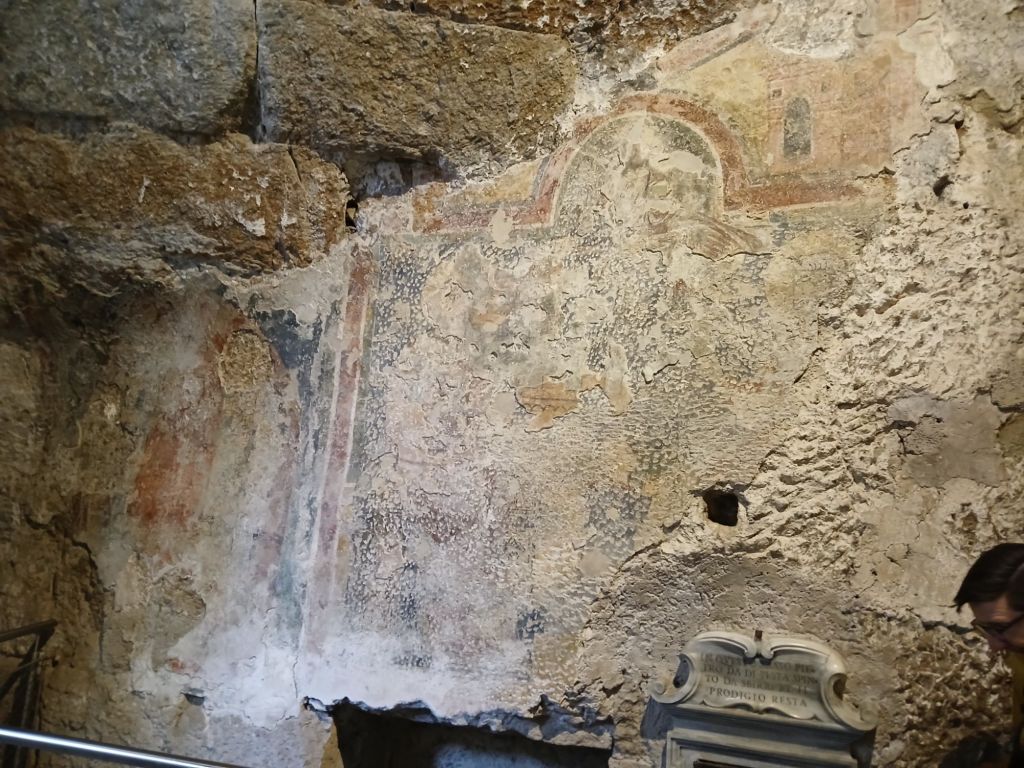
We then visited the Mamertine Prison. It was used as a holding cell for those who were going to be executed during Ancient Roman times. It was built around the 7th century BC. Saint Peter and Paul are said to have been imprisoned here. We did some cross referencing between scripture and historical documents and it is plausible.
We then visited the Archbasilica of Saint John Lateran. It was founded in 324 AD.
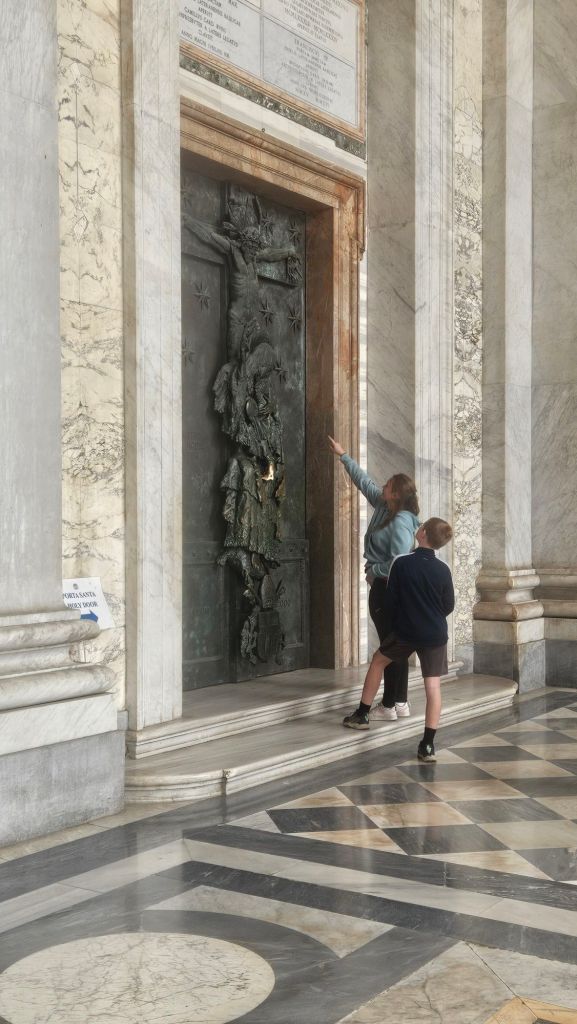
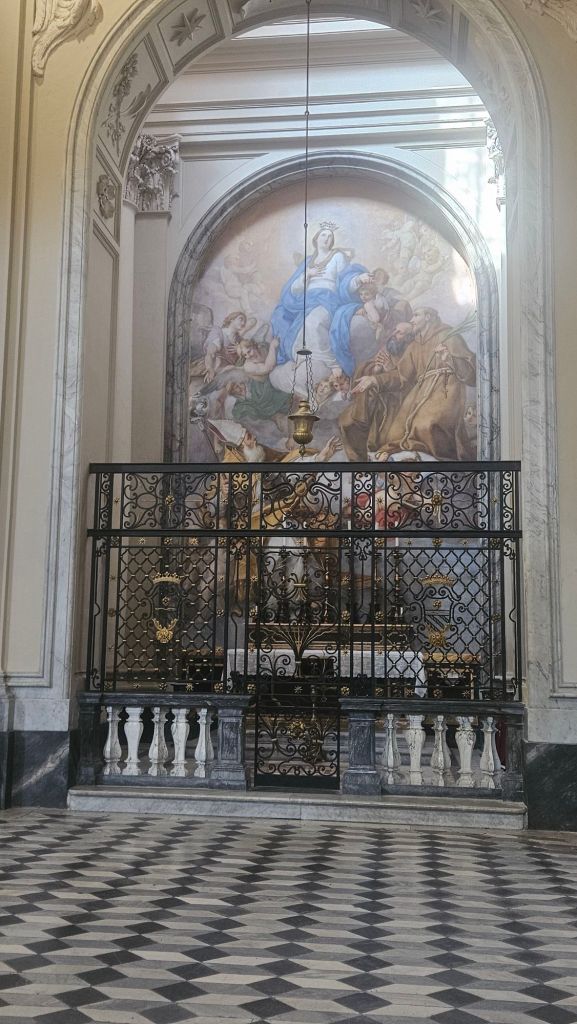
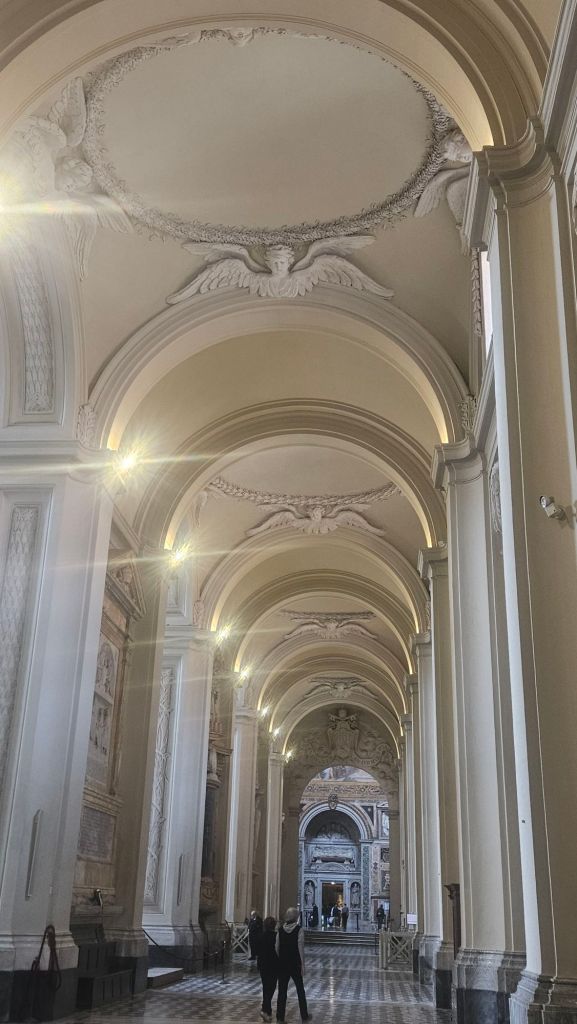
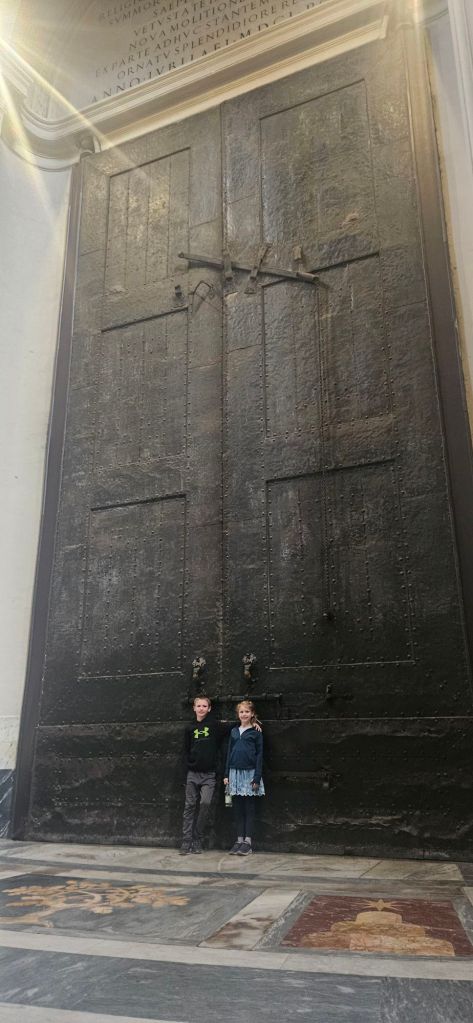
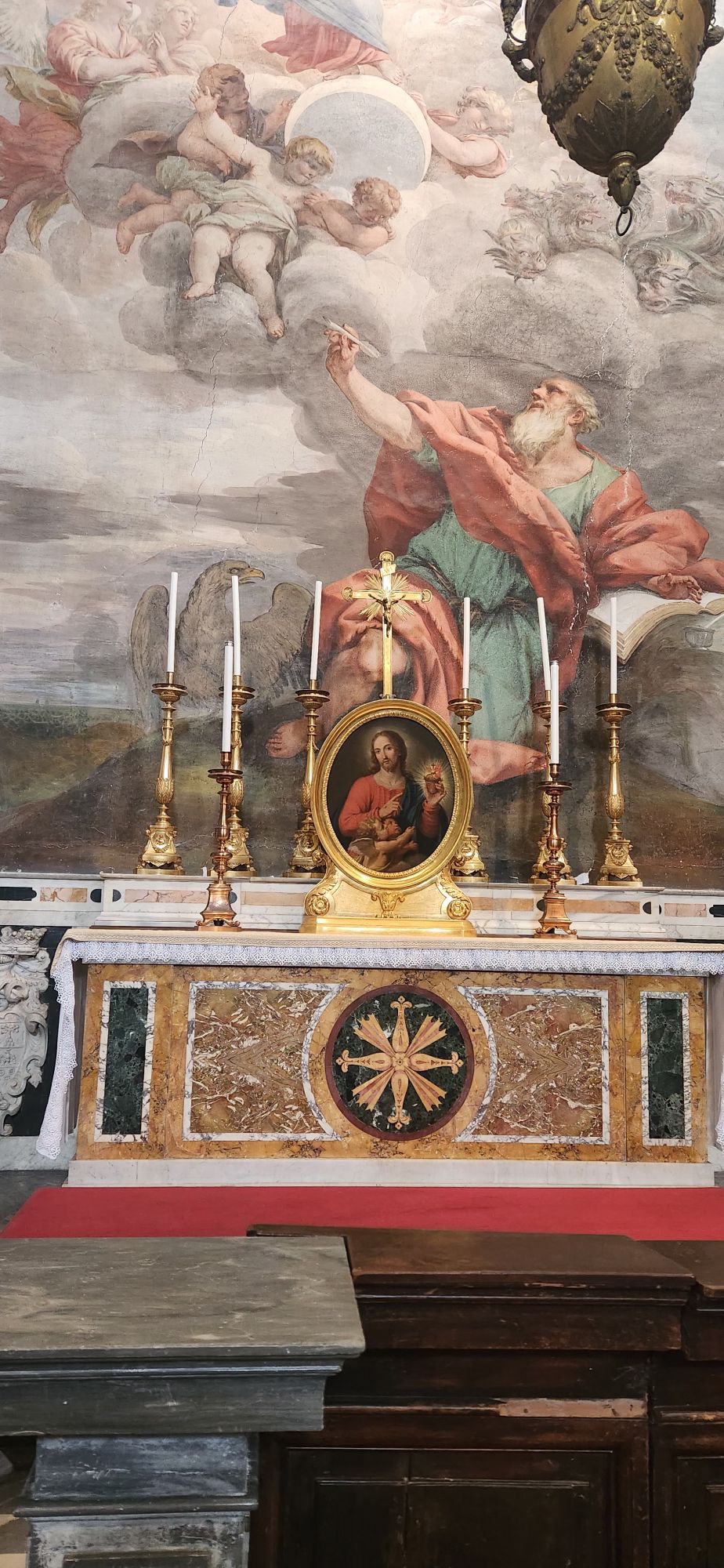
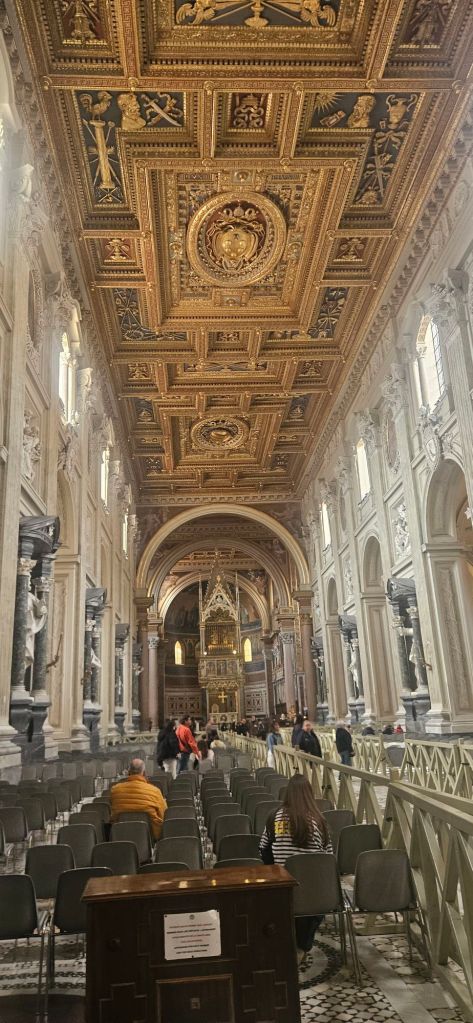
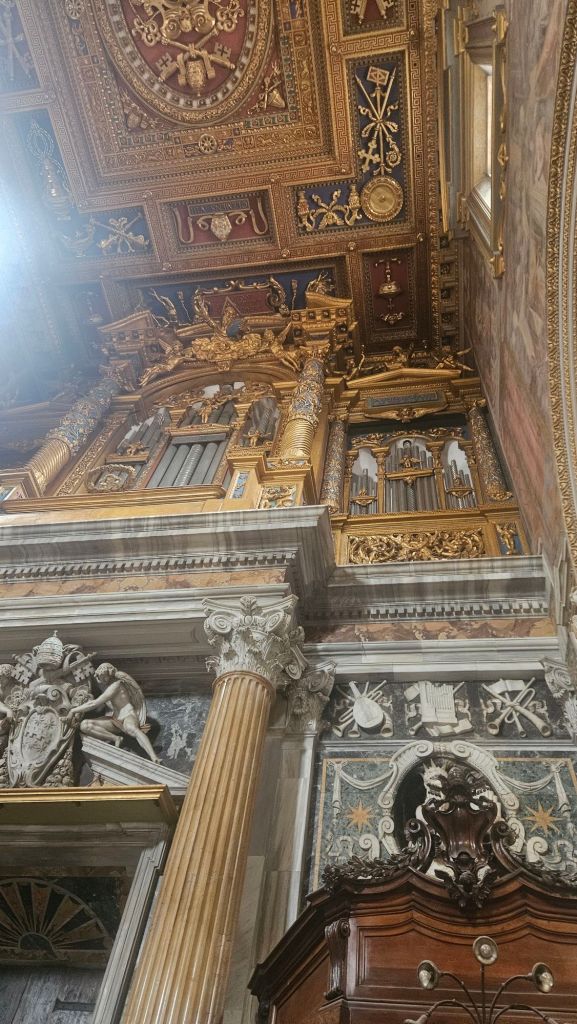
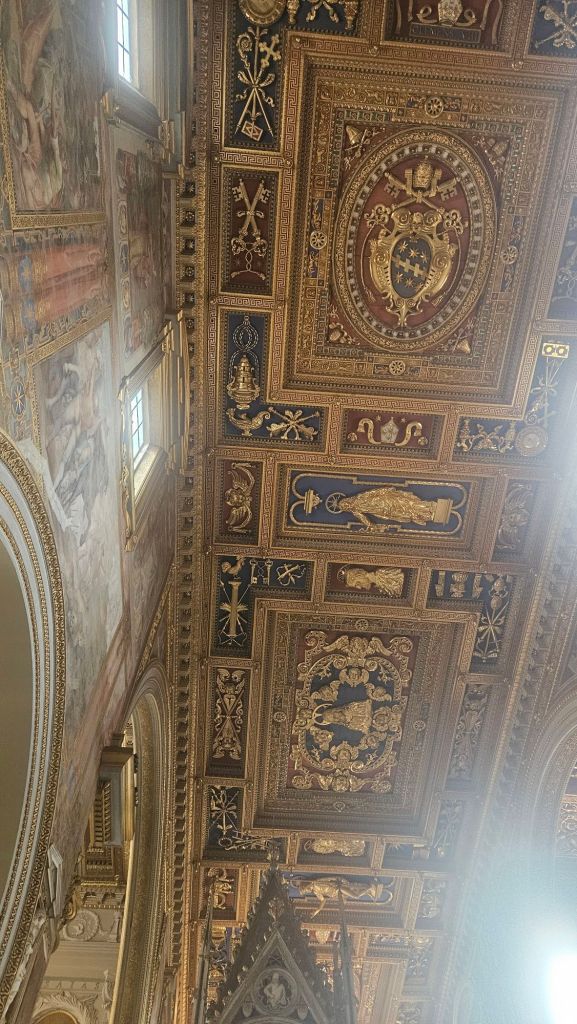
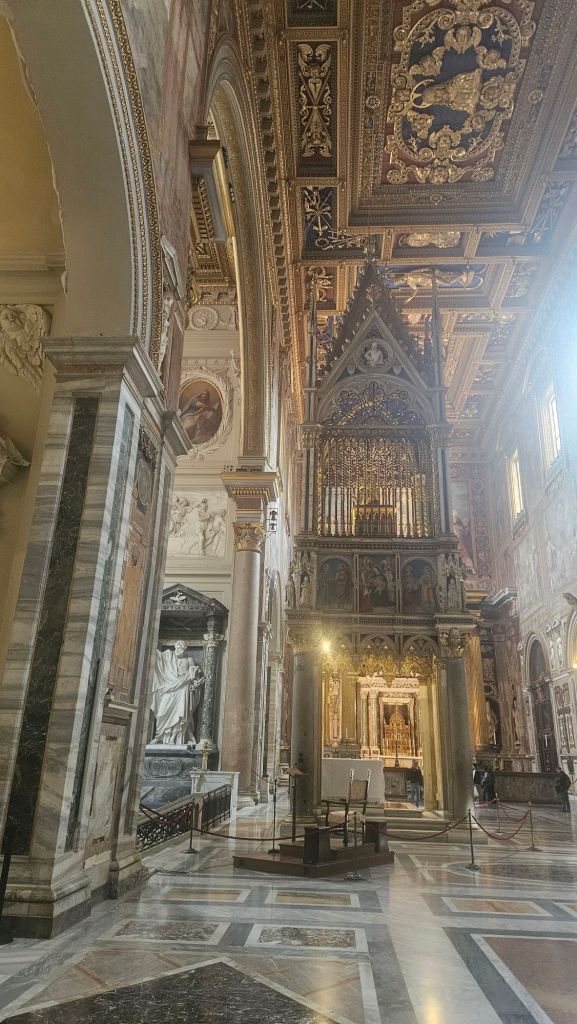
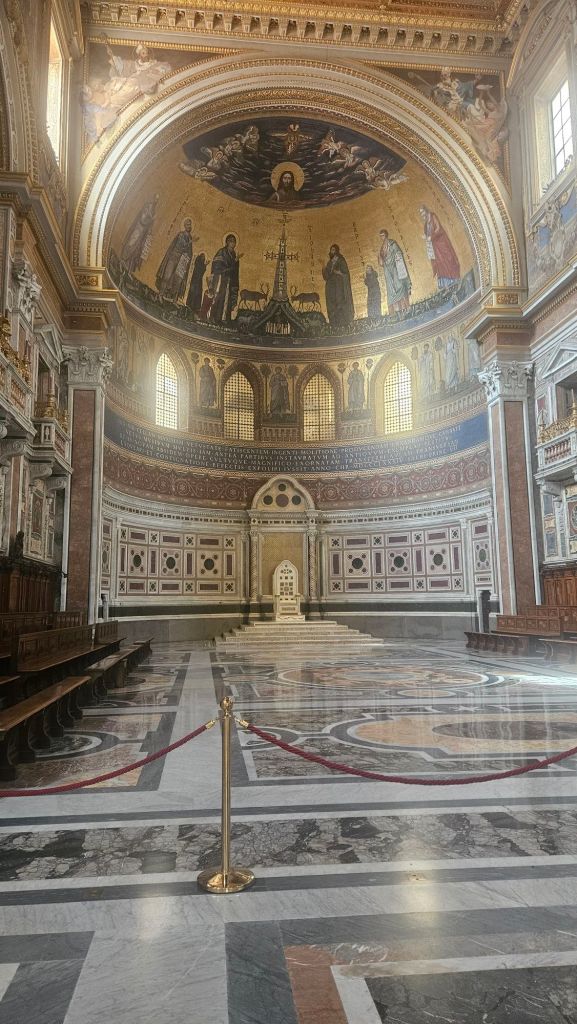
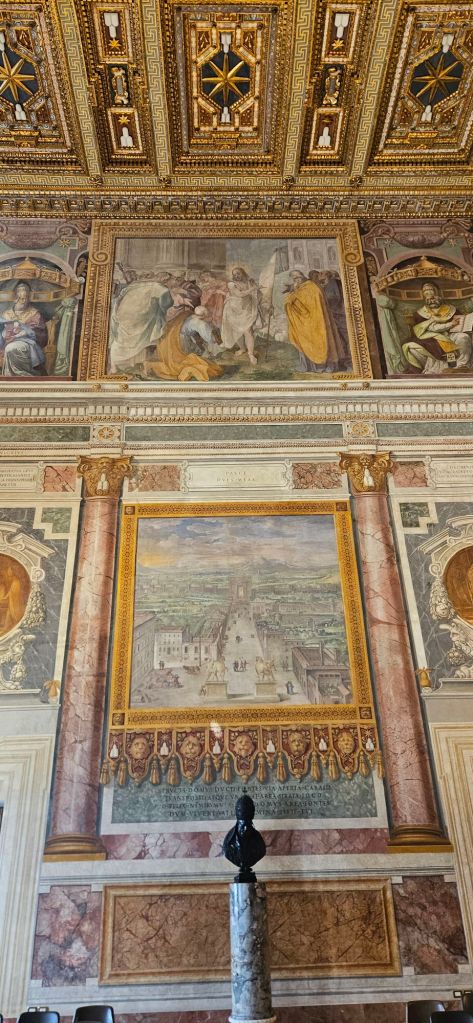
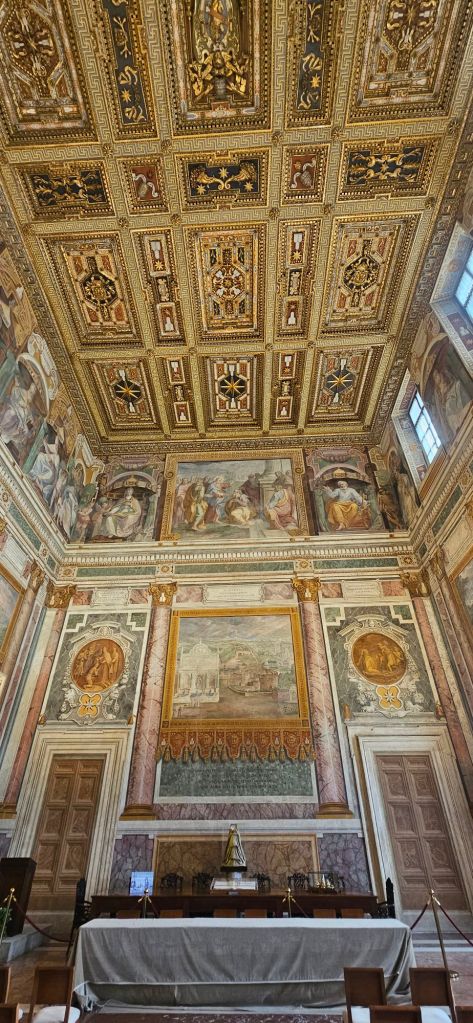
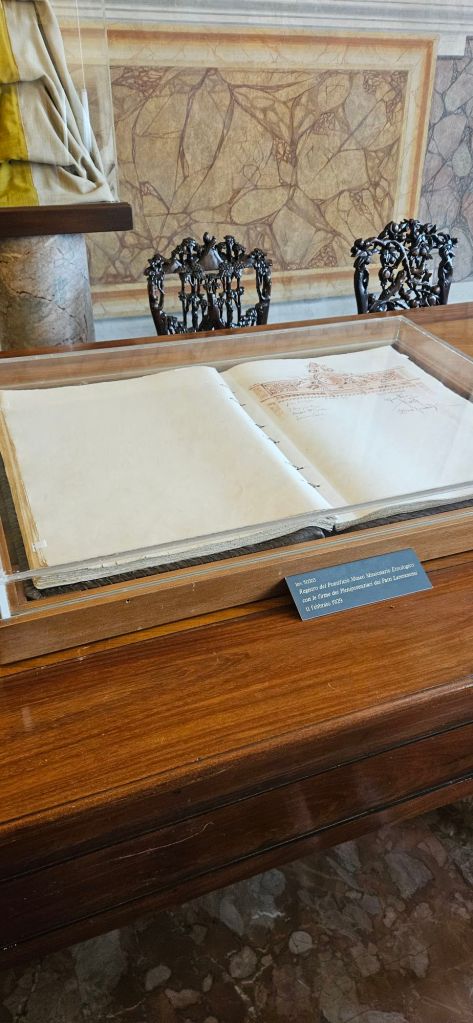
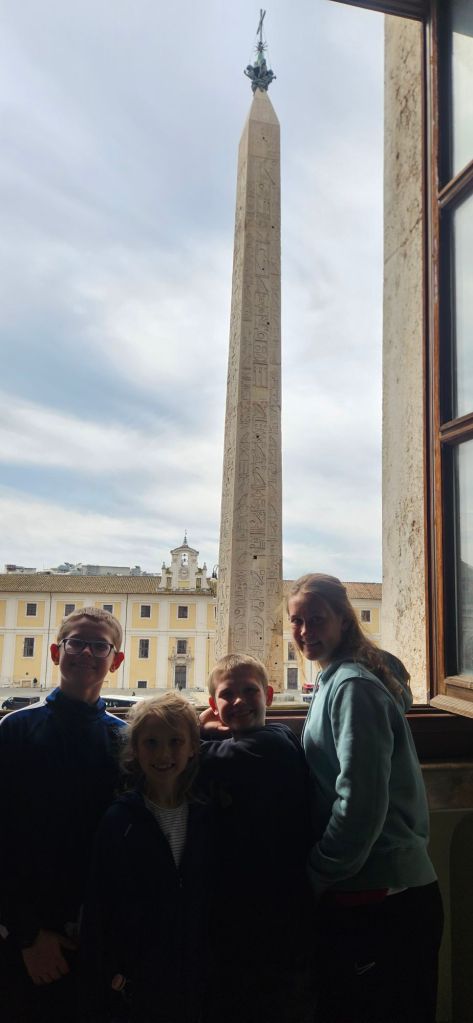
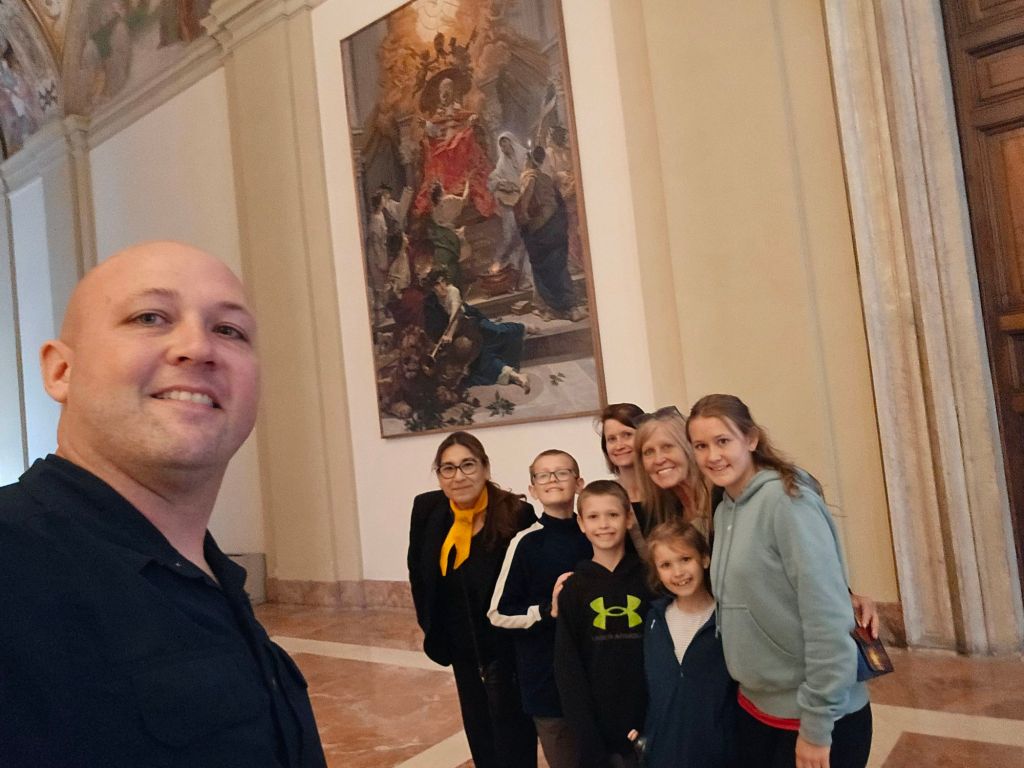
We also visited the Lateran Palace, which is next to the Archbasilica. It served as the papel residence before Vatican City was formed. It was full of beautiful paintings and tapestries that tell scripture and history of the early church. A wonderful tour guide lead us around and provided great insight into the residence.
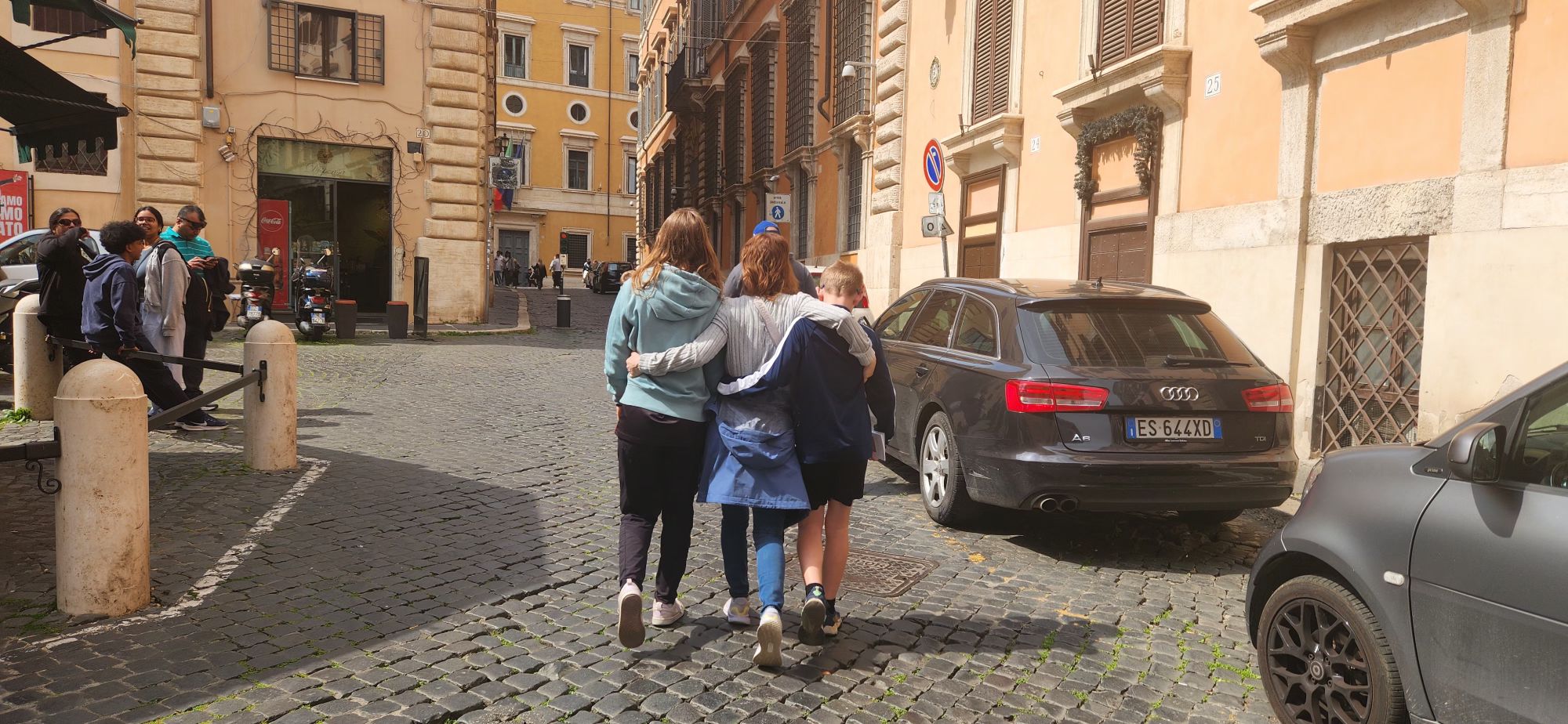
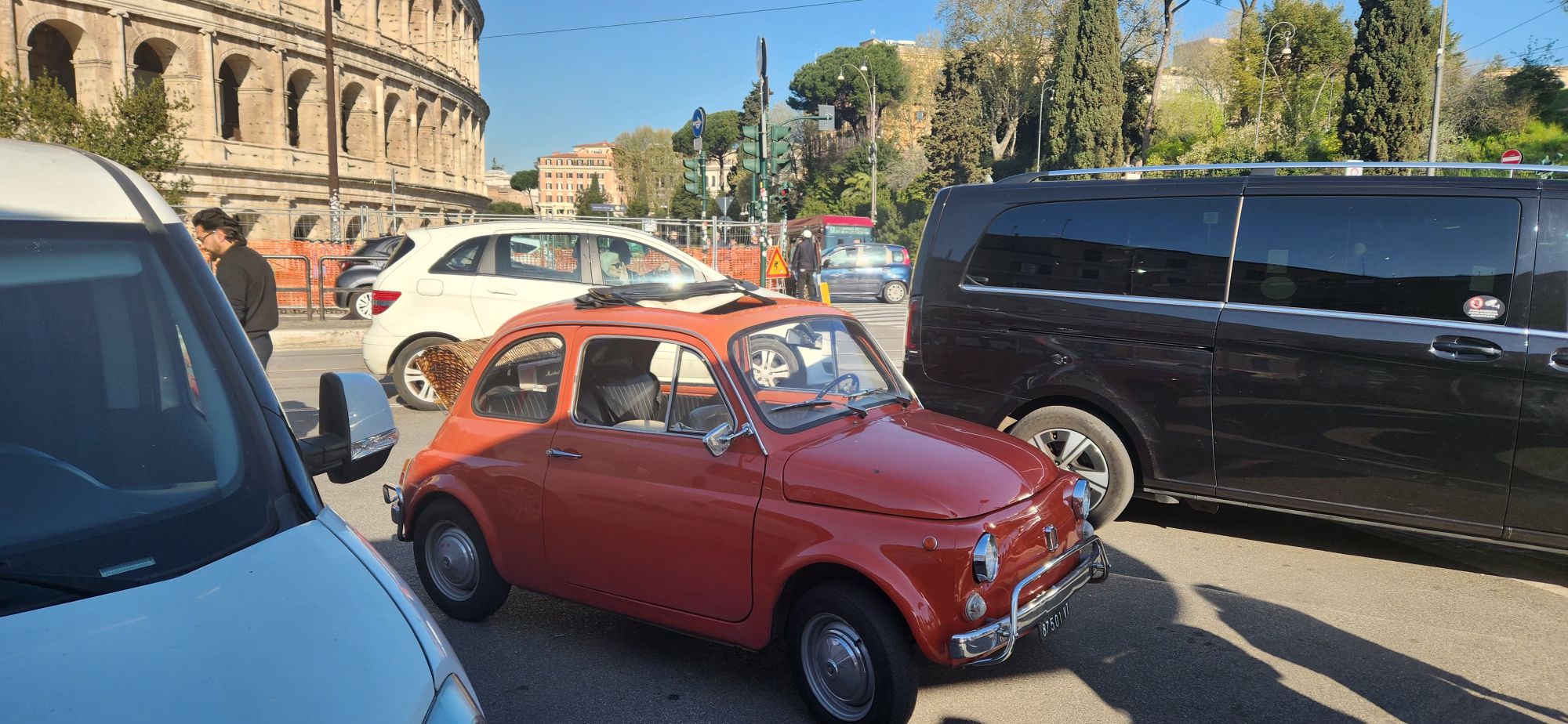
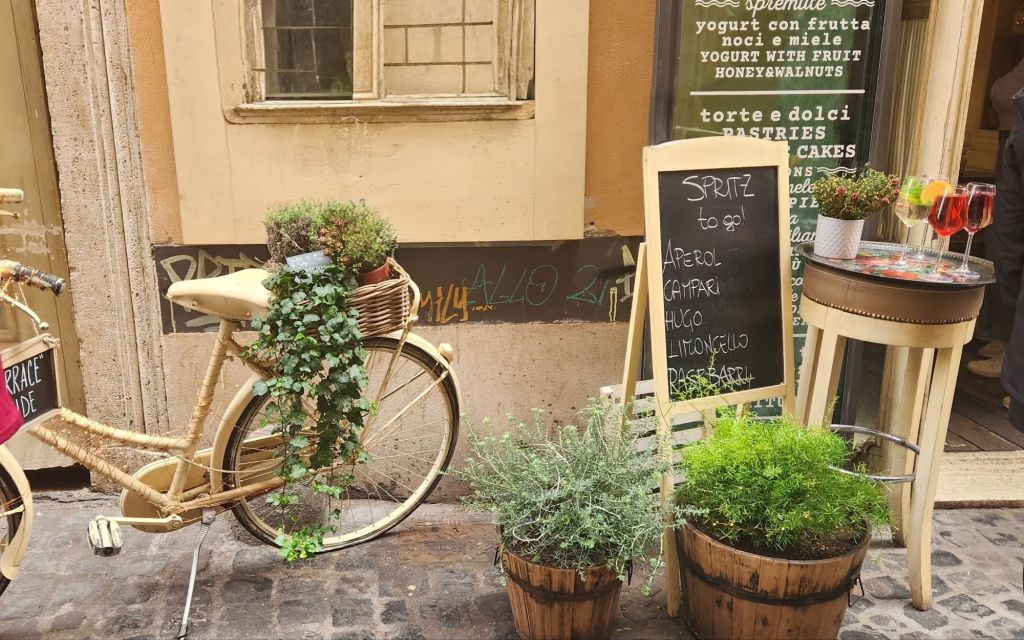
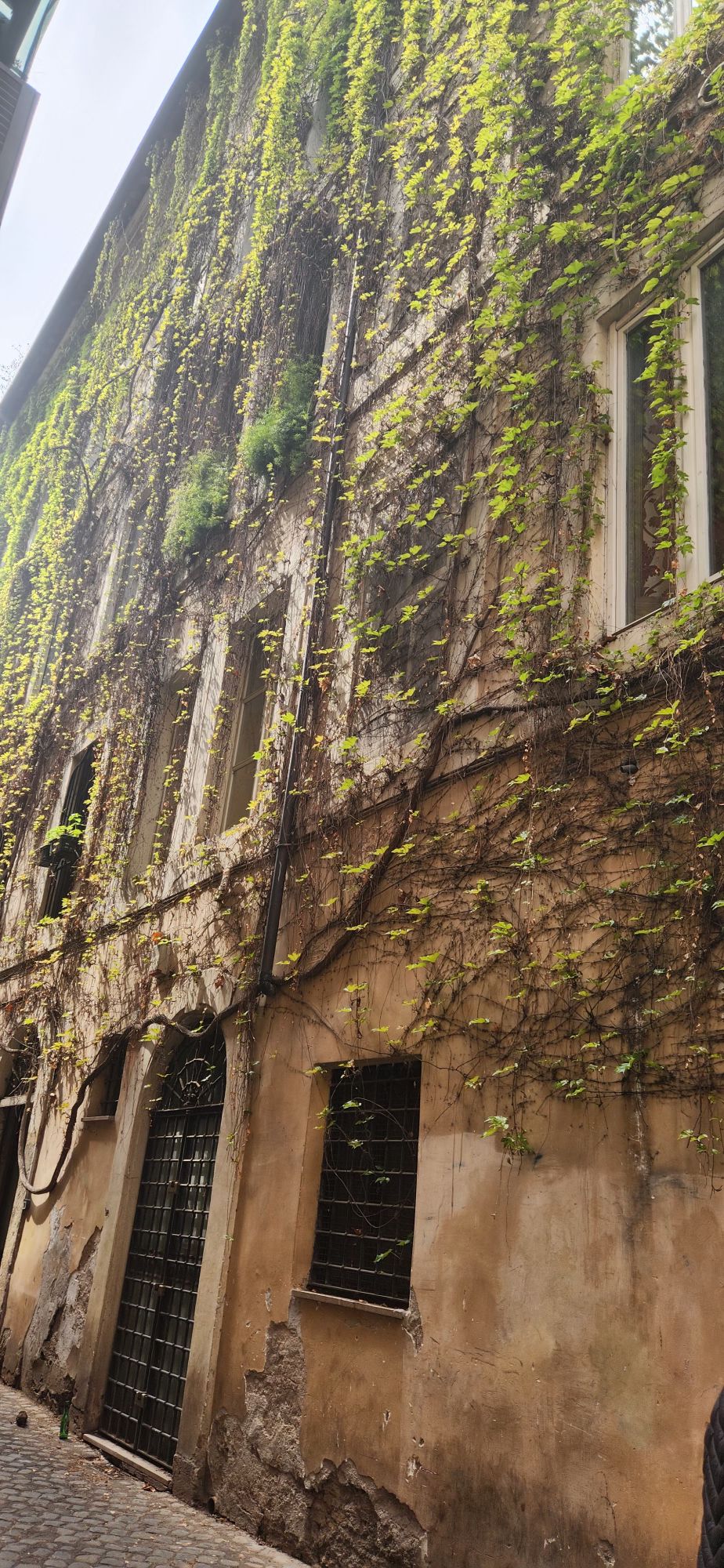
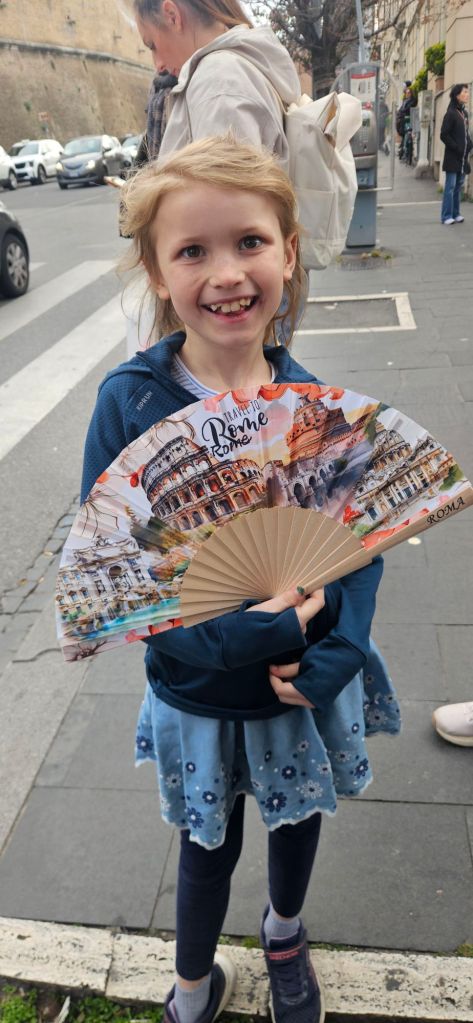
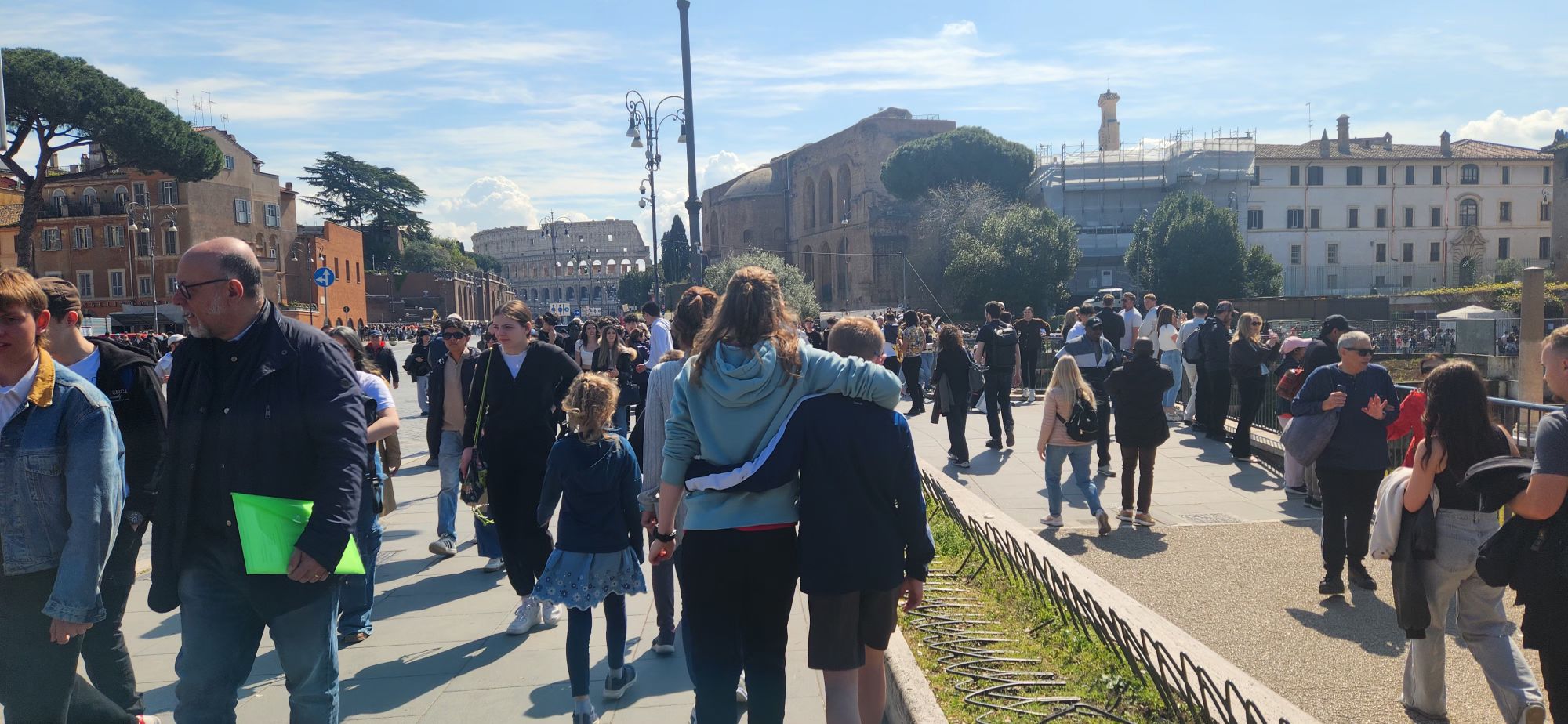
We also enjoyed walking the streets of Rome.
 Party of 6
Leave a comment